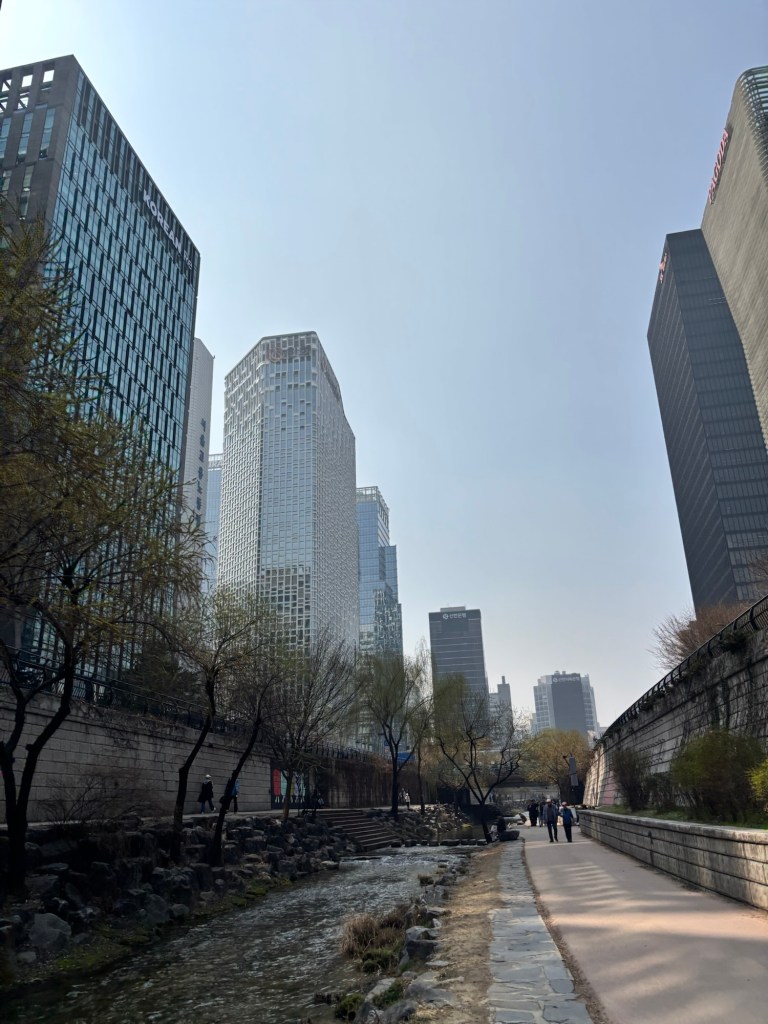
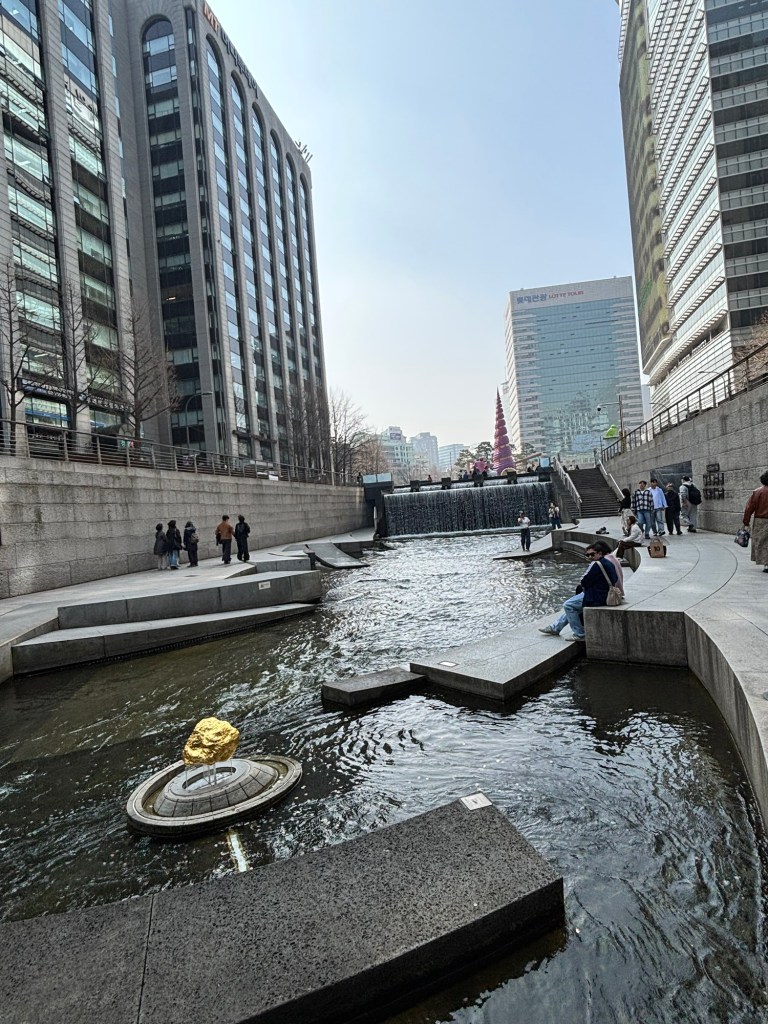
On our first day in Seoul we got on the metro to the city centre and went for a walk along the Cheonggyecheon Stream. This is a 11km long public recreational space that used to be a covered highway but was transformed in 2005 into a sunken, scenic waterway to add more green space into the city.
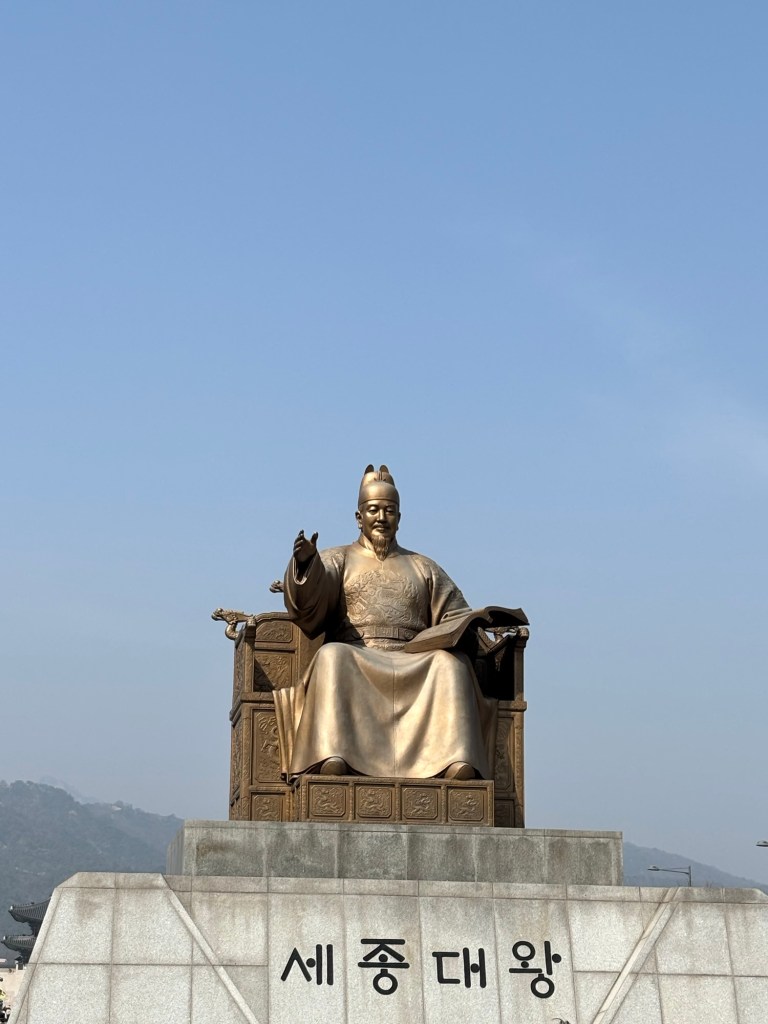
Near the end of the stream is Gwanghwamun Square where a 6.2m bronze statue of King Sejong the Great is located. Unveiled in 2009 it honours the 15th century monarch who is renowned for inventing the Korean alphabet.
To the north of the Square is Gyeongbokgung Palace, the largest and most significant of the Five Grand Palaces built during the Joseon Dynasty.
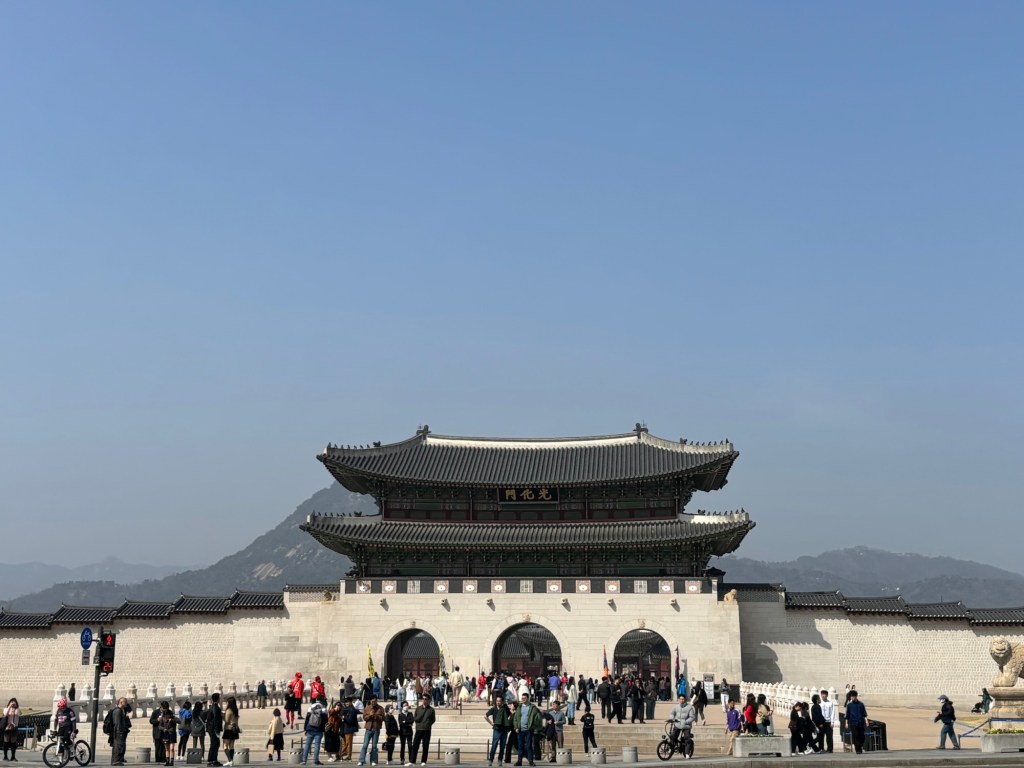
Built in 1395 it served as the royal residence and also the seat of the government. We strolled around the huge area inside which currently has over 125 different buildings from grand halls to libraries. At its peak in the 19th century there were over 500 buildings containing over 7,700 rooms!
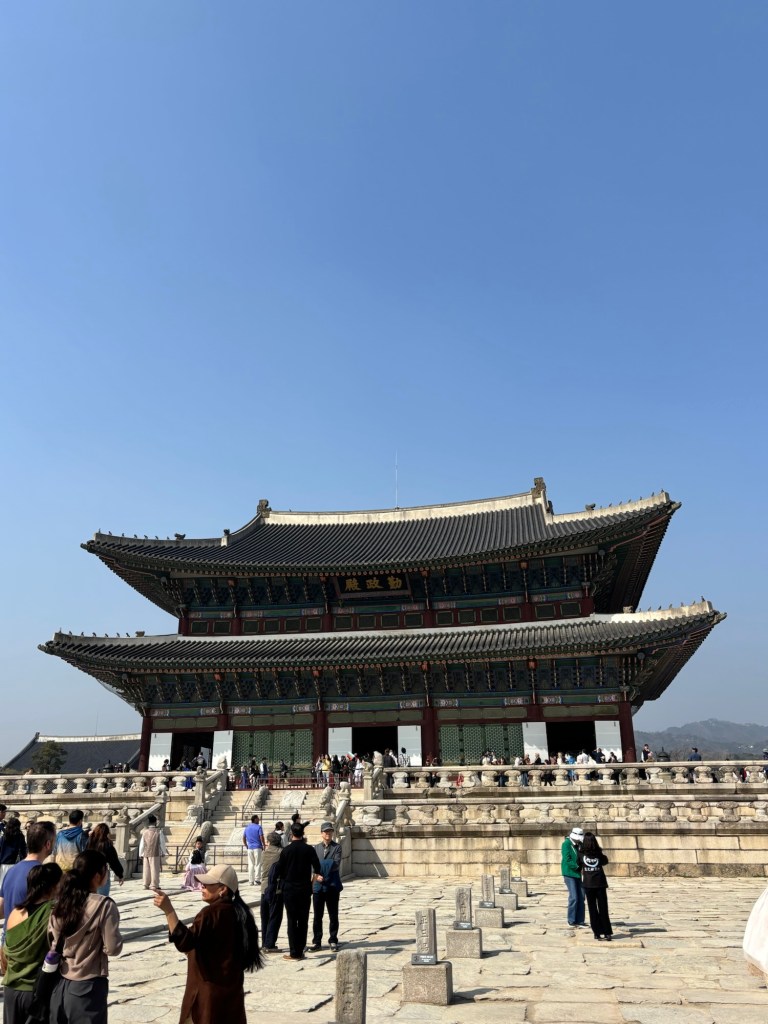
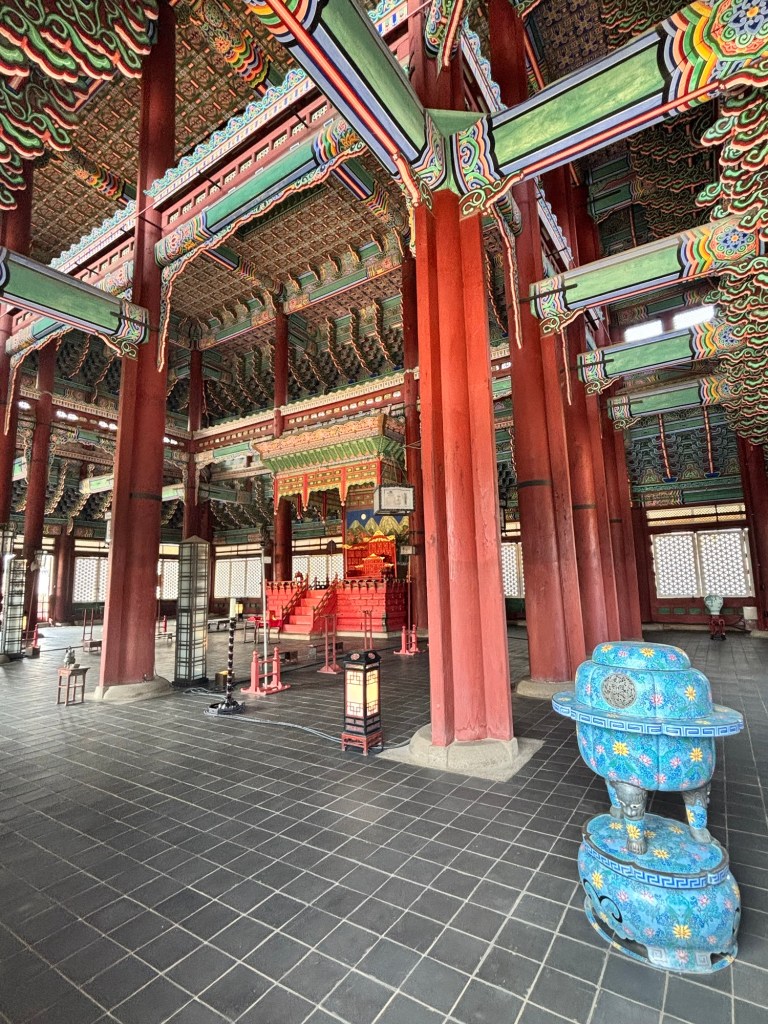
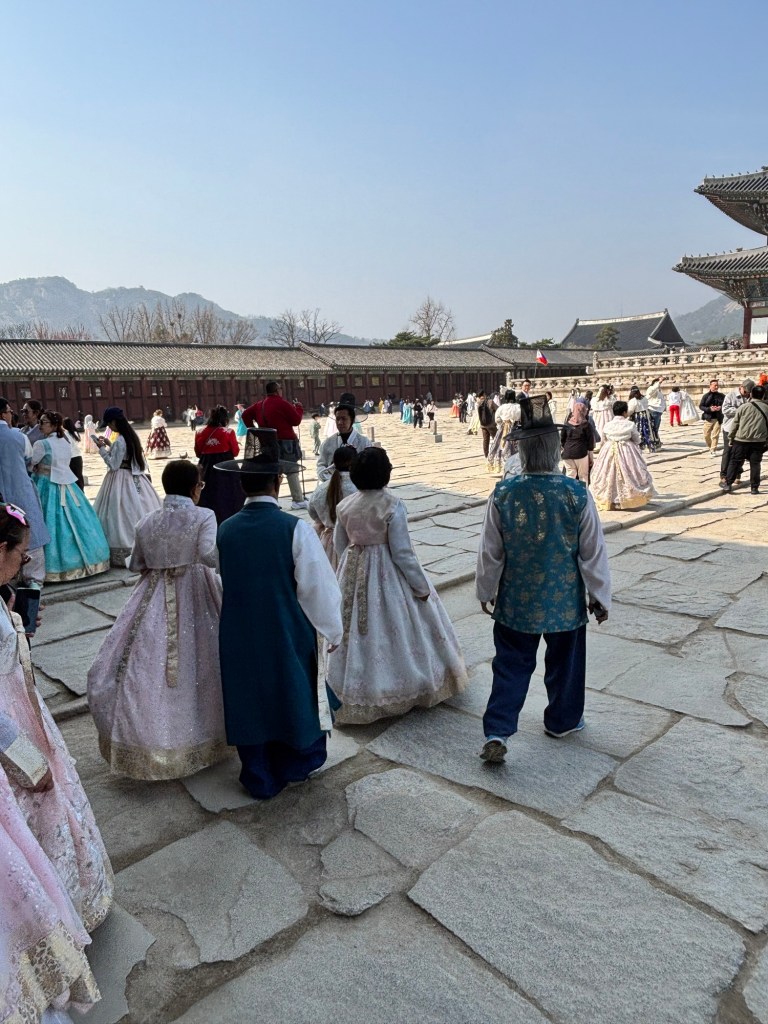
Many locals and tourists dress up in traditional Korean clothes called ‘Hanbok’ to get photos around the palace. Entry is only 3,000 KRW (£1.49) but if you go wearing the Hanbok then entry is free!
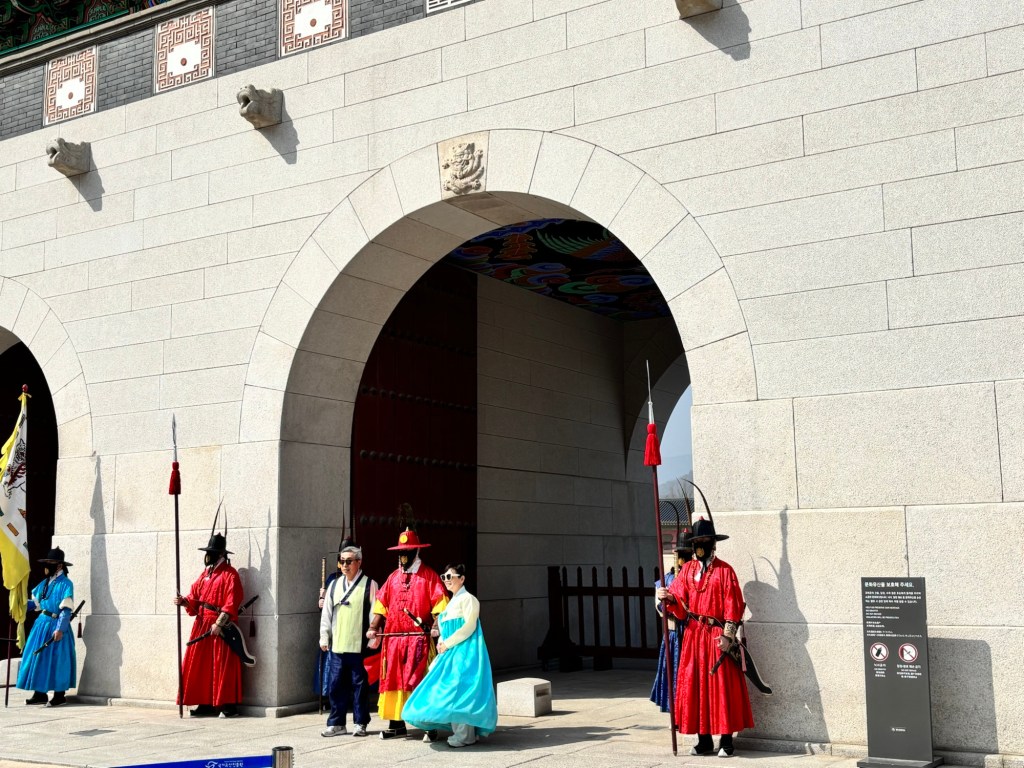
On the gates there are Sumunjang (Royal Guards) that perform the changing of the guards daily at 10am and 2pm. People who are wearing the Hanbok can also pose for a picture with them.
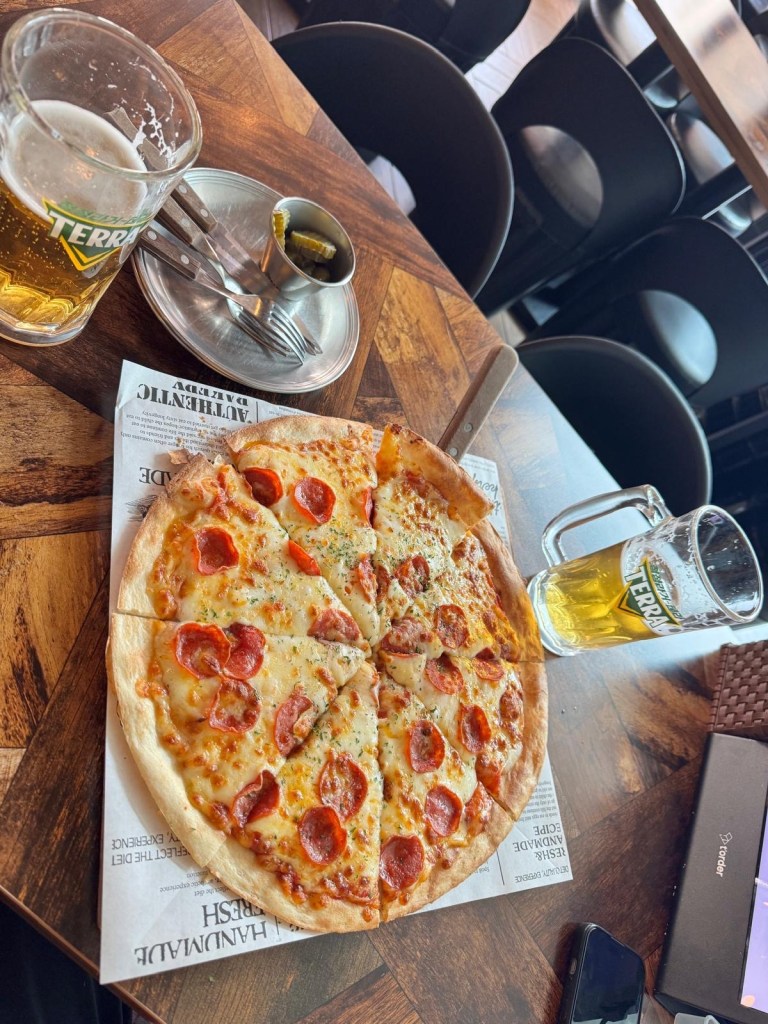
That afternoon we went to a local restaurant to eat some…. pizza! In Korea, Chimaek (chicken and beer) is considered an unofficial national pastime with stores literally on every street. Pimaek (pizza and beer) is a more modern twist which is popular among the younger generations.
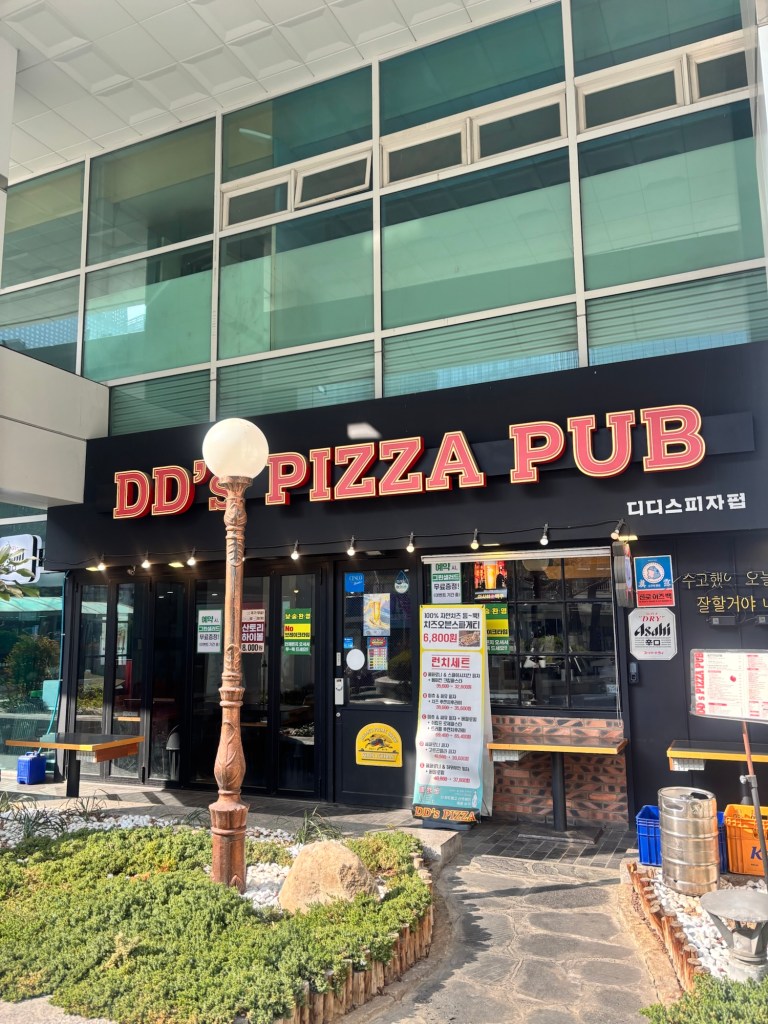
To order our pizza and beer you have an iPad on each table and just pick what you want and submit the order. You can also keep ordering beer this way without getting up!
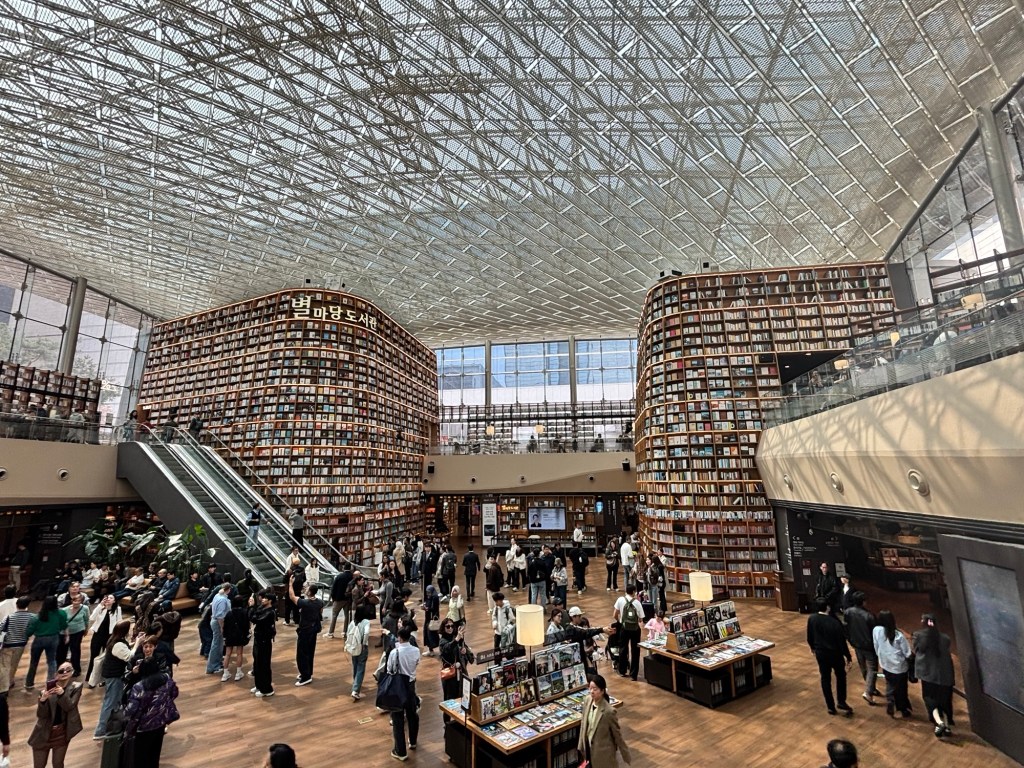
The next day we went to Starfield Coex Mall which is the largest underground shopping mall in Asia. We went to see the famous Starfield Library, which has 13 metre tall bookshelves holding over 50,000 books.
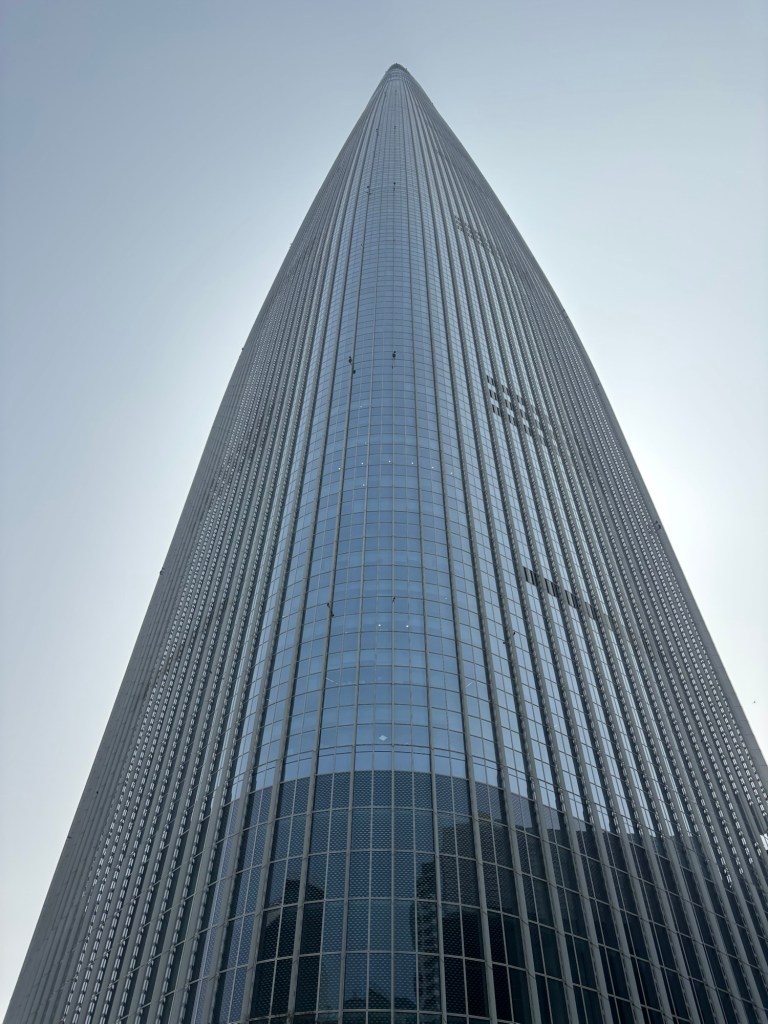
We then headed to Lotte World Tower which is the tallest skyscraper in South Korea at 555m, also making it the 6th tallest building in the world. The shopping malls connected house over 1,000 shops making it one of the biggest shopping destinations in the country!
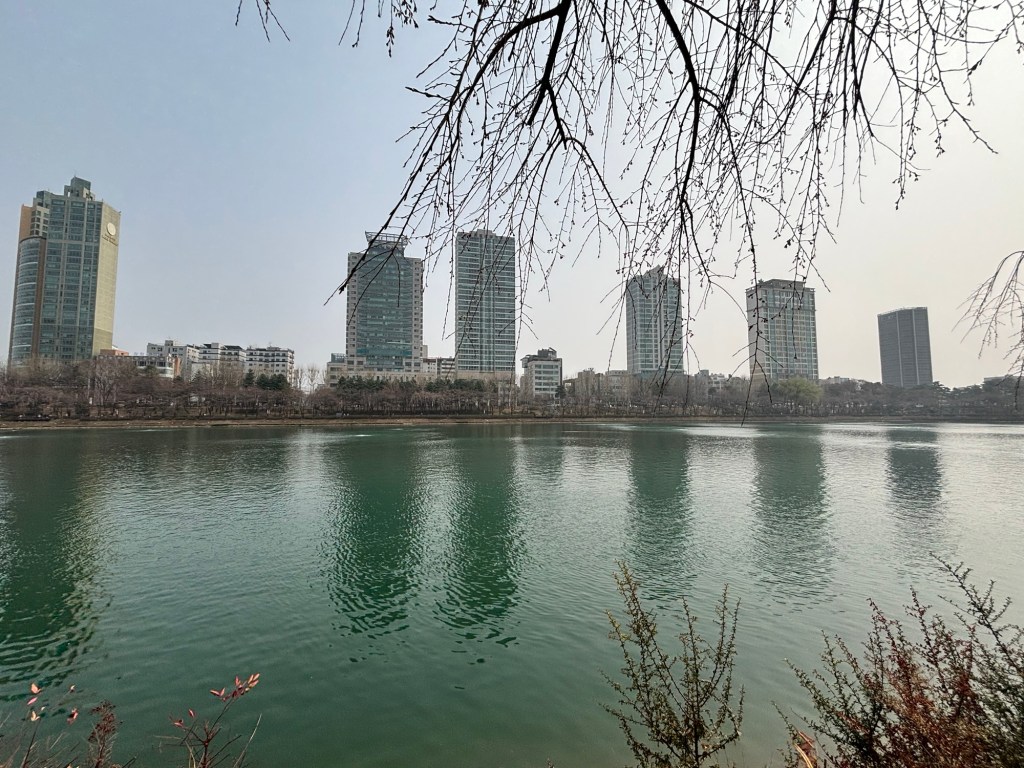
Just next to the tower is Seckchon Lake Park which is popular due to the massive clean up effort to transform the lake from once being very polluted to now being so clean that people thought that dye was added to give it a very blue colour, however it’s just down to constant filtration.
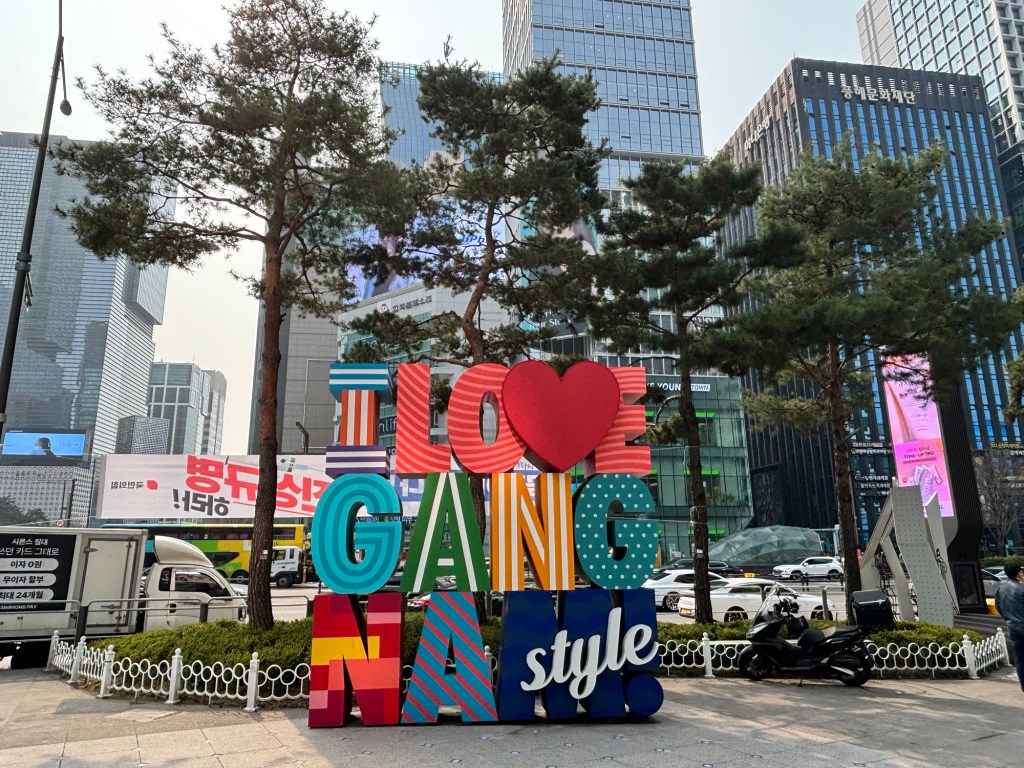
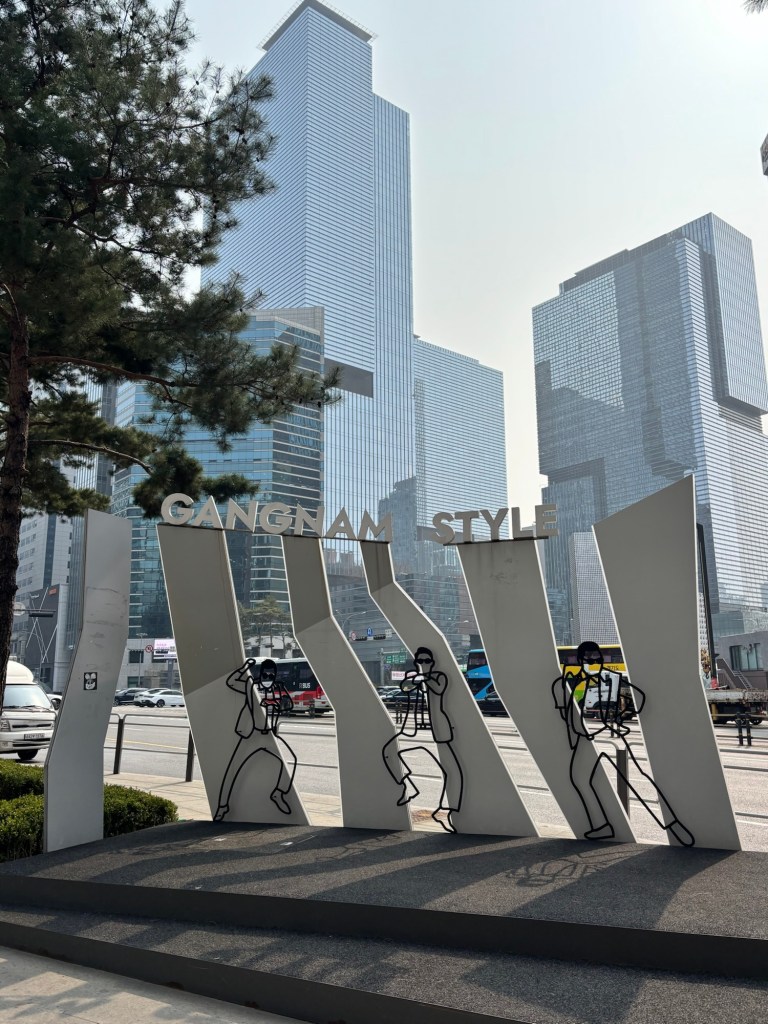
In the afternoon we went across to the most famous district in Seoul, Gangnam! It was already a popular destination within South Korea but the 2015 global hit song ‘Gangnam Style’ propelled the area to worldwide fame.
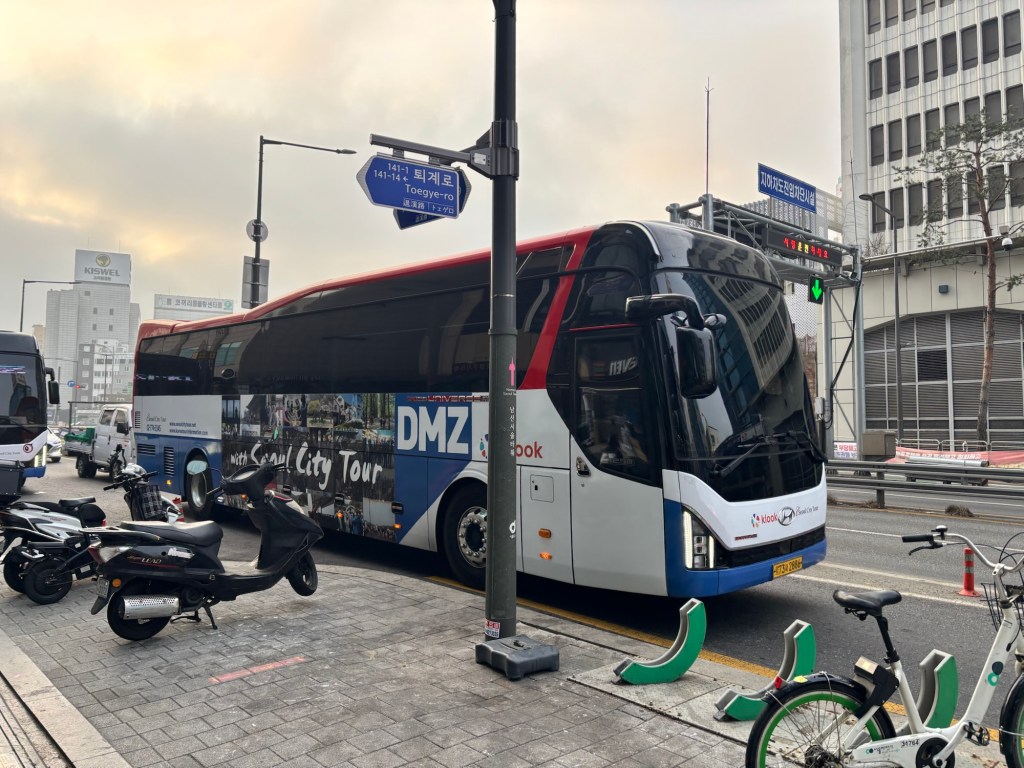
The following day we booked to go on the DMZ (Demilitarised Zone) tour to the border with North Korea. After an early alarm at 6am we got the metro to the meeting point outside station.
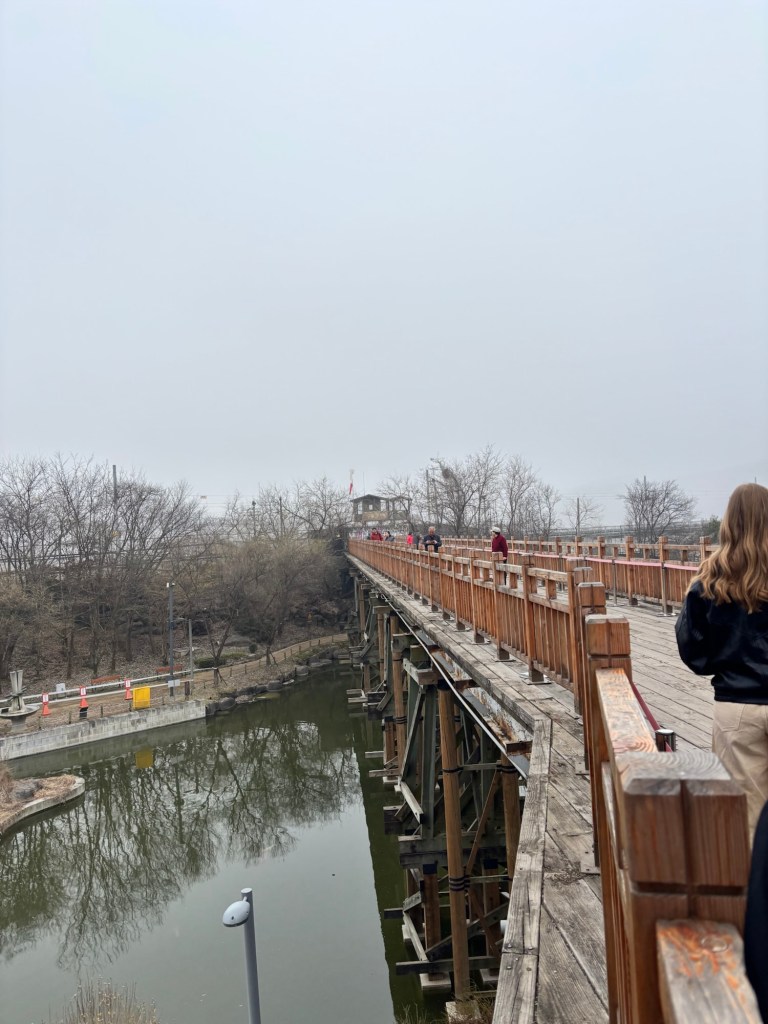
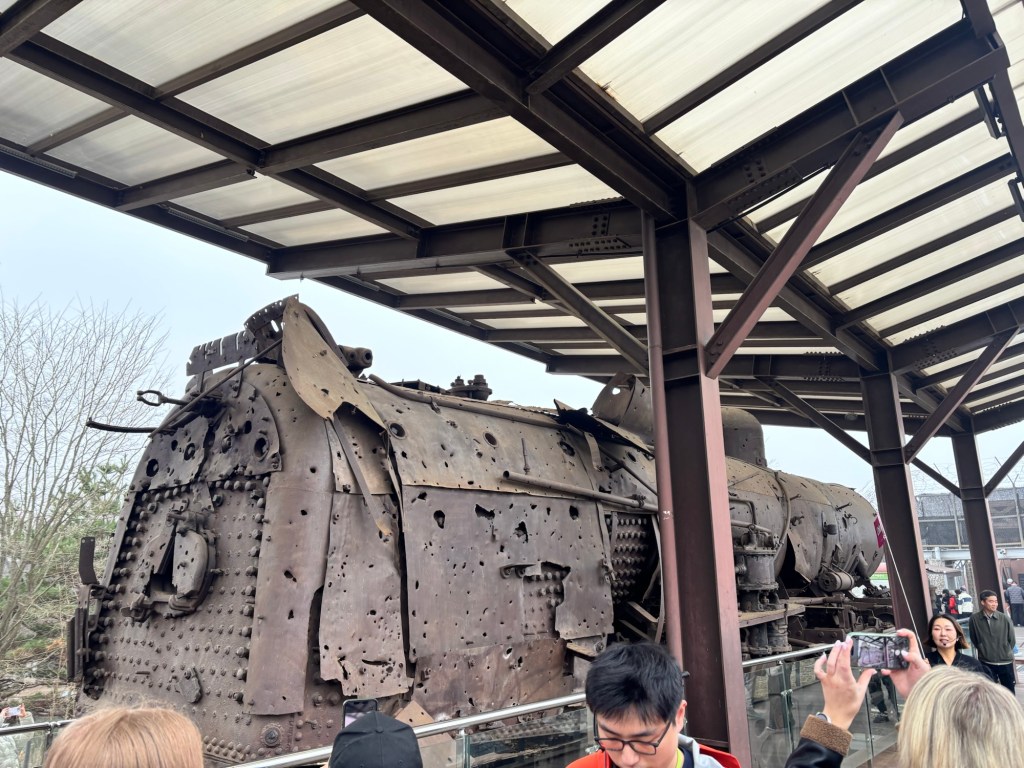
Seoul is roughly 40km away from the DMZ so after about 45 minutes we made it to our first stop on the tour the Imjingak Pyeonghwa Nuri Park. It’s a major ‘peace park’ established to transform the division into reconciliation. We got to see the original Freedom Bridge, which was used by returning prisoners of war after the 1953 armistice. There was also a steam locomotive on display that has over 1,000 bullet holes in from the war.
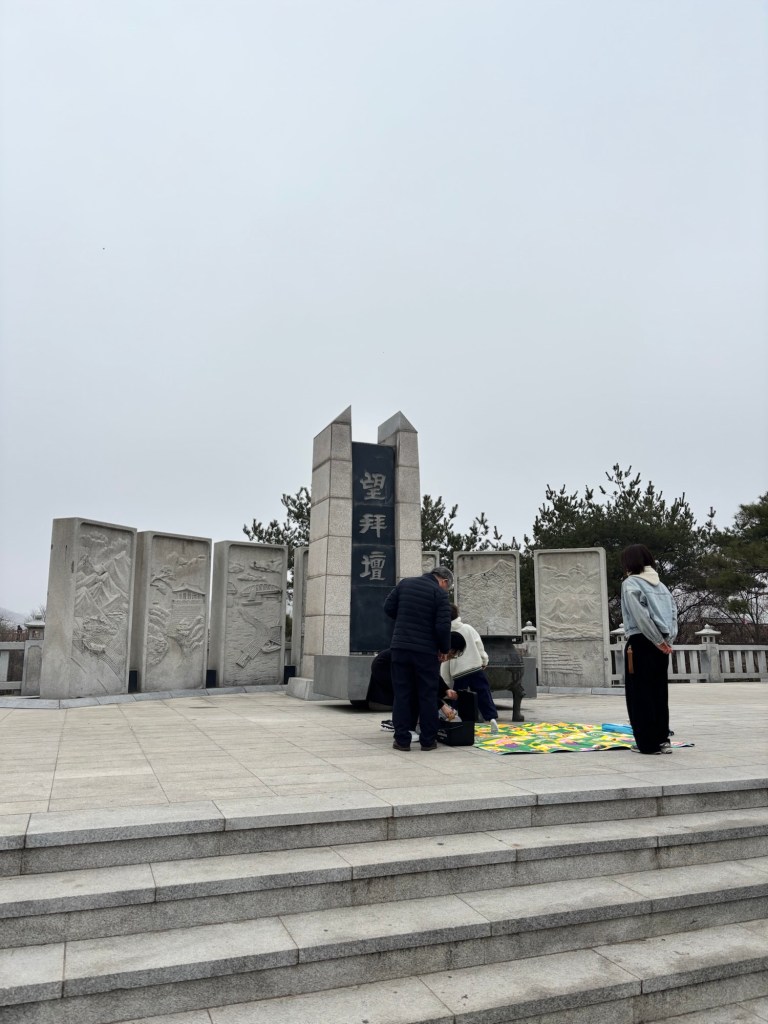
We also got to see the Mangbaedan Altar which is where South Koreans who have been separated from their families in the north come to perform ancestral rites, hoping to be reunited one day.
Then we went into a Q&A with a North Korean defector. She managed to escape North Korea in 2015 by crossing into China and then finally making it to South Korea where she was granted citizenship. It was very interesting to hear what the very secretive country is like from someone who grew up there.
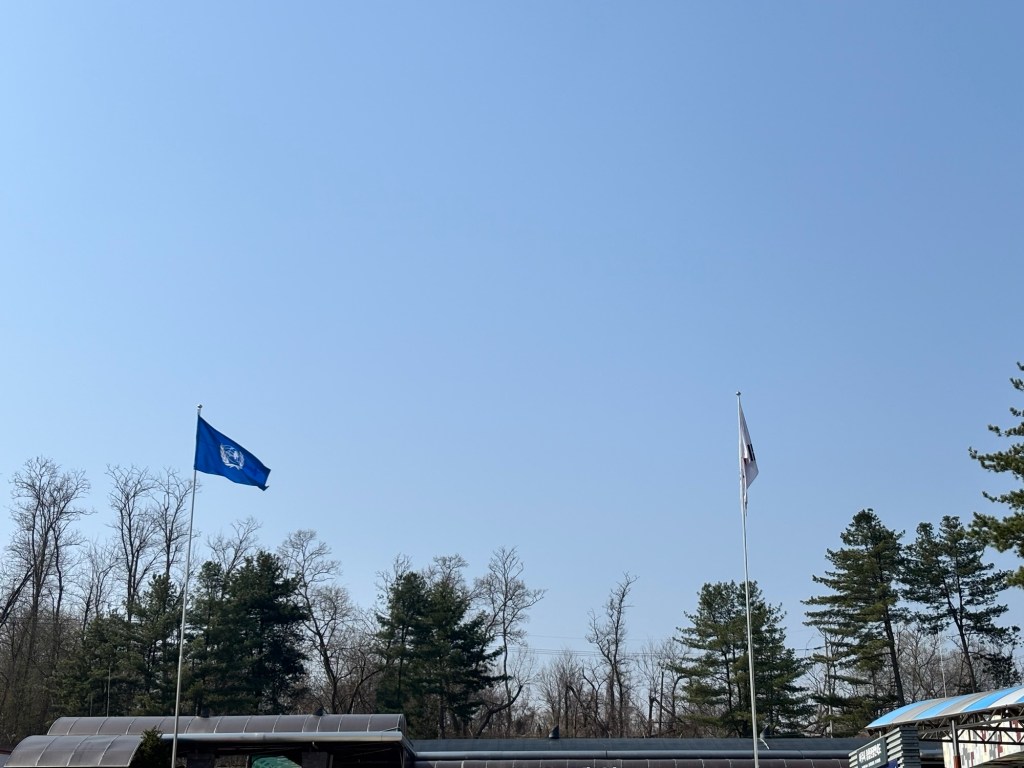
Afterwards we got back on the bus and with passports at the ready crossed into the UN controlled DMZ. After soldiers checked who everyone was we made it to The Third Tunnel.
The Third Tunnel is one of the four known tunnels dug by North Korea under the DMZ intended for a surprise invasion into the South. It was discovered in 1978 following a tip provided by North Korean defector Kim Bu-seong. The tunnel is 73m below ground and is 1.6km long. It’s accessed by walking down a 350m long tunnel built by South Korea to allow tourists to visit. Once we descended we got to walk the 265m long section of the original tunnel which was dug by the North. It’s only 2m high and wide so lots of ducking and a hard hat is required!
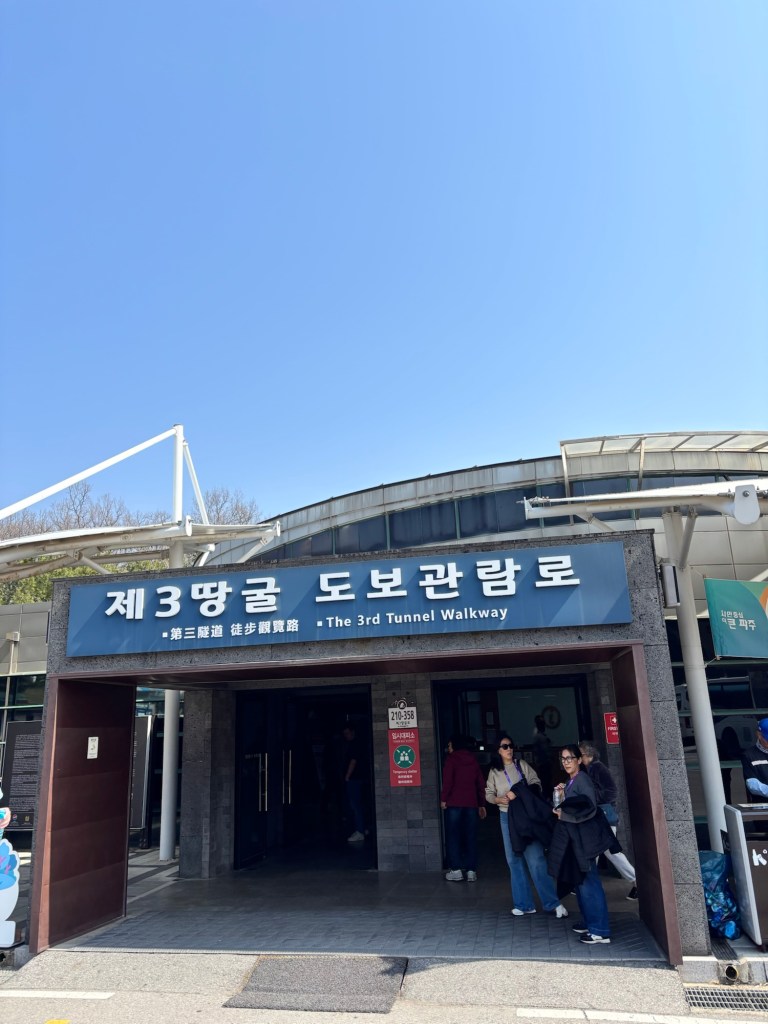
At the end of the walkable tunnel there are three concrete walls blocking it off to secure the border which we got to go right up to. In the first concrete wall there is a small window cutout so you can see through – they even had some plants growing from the artificial light but unfortunately photography was prohibited.
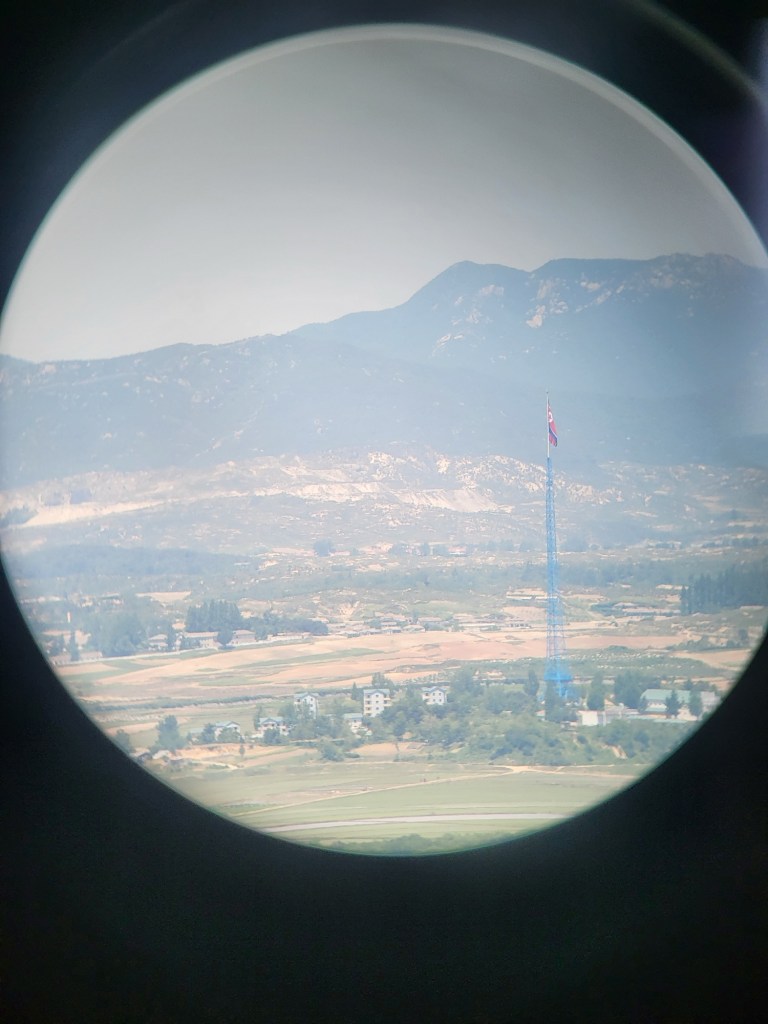
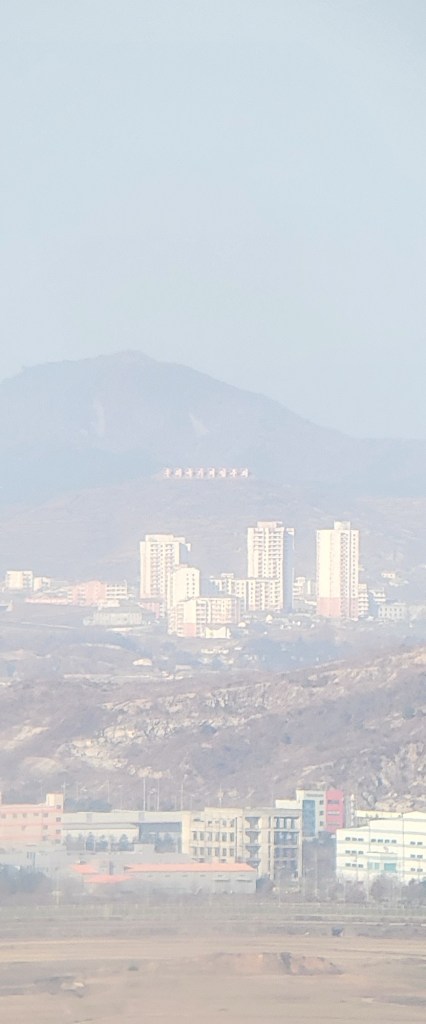
The final stop on the tour was the Dora Observatory where we got to go onto the rooftop and look over North Korea. There’s lots of binoculars that you can use and we saw North Koreans farming and also some trucks being driven around. A very surreal feeling!
For security reasons you aren’t allowed to take photos of North Korea but our tour guide sent us some taken previously before the rules changed.
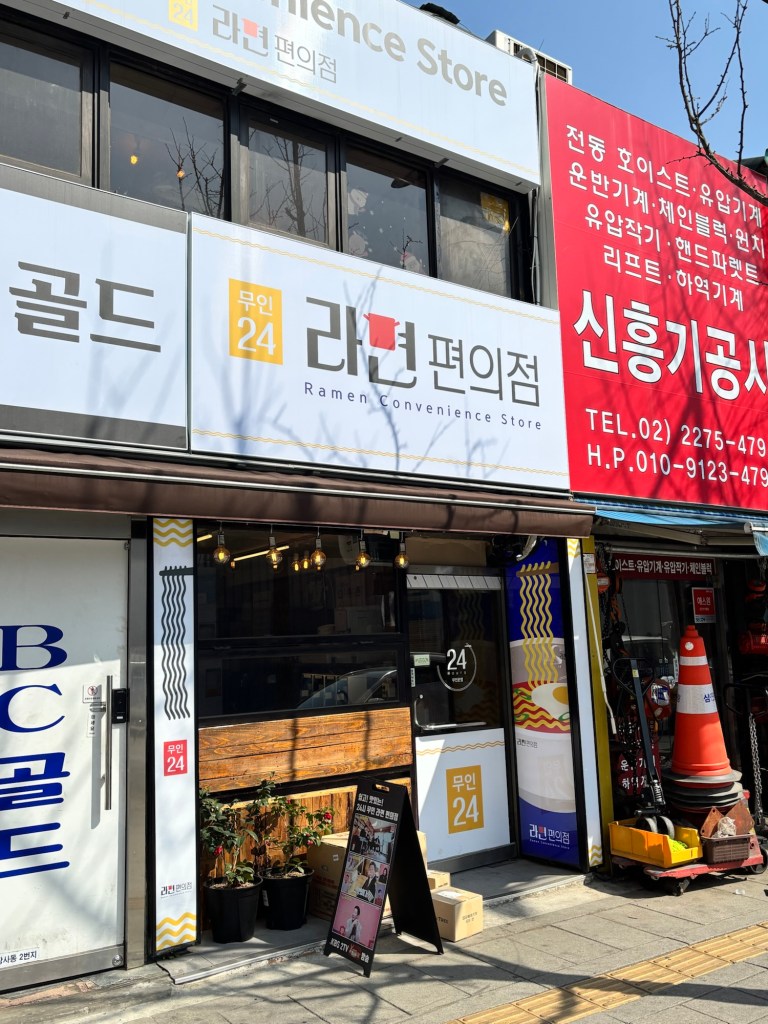
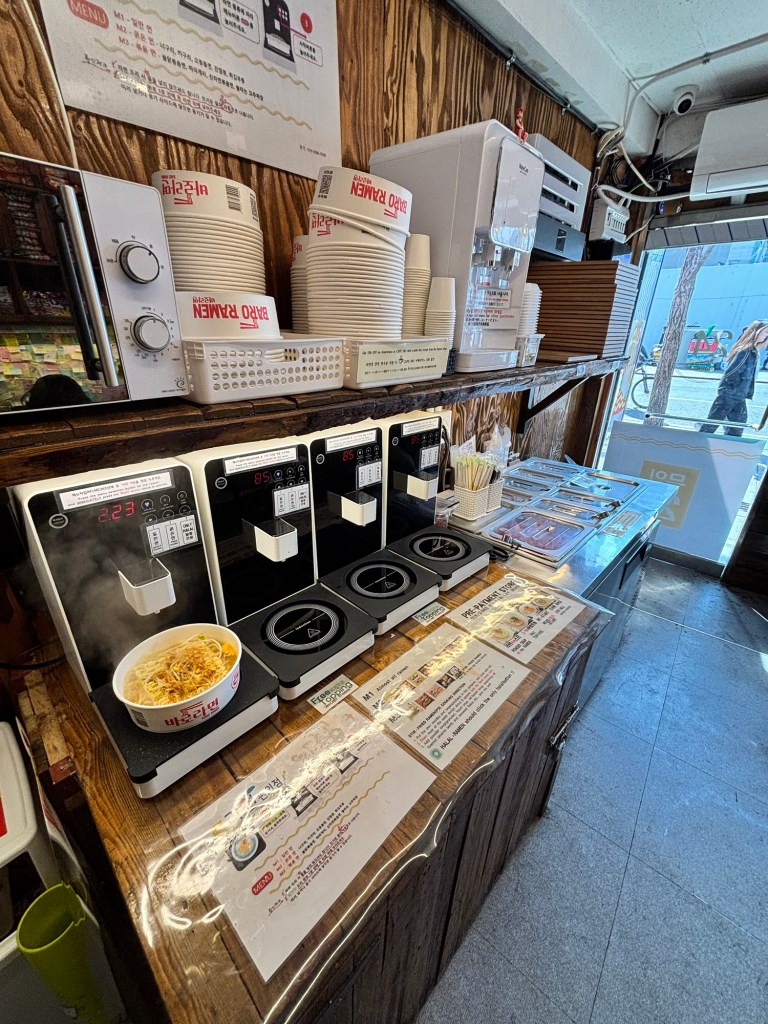
In the afternoon we tried out one of the 24 hour Ramen Convenience stores. These unstaffed stores allow you to pick a ramen, cook it on induction cookers and add free toppings! We love them and have been back a few more times for a cheap and easy lunch!
To be continued…
 LittleSandyBeach
Leave a comment