On Sunday we went on the hunt to find the original dalgona biscuit maker who made all the candies for the Squid Game Netflix series. After some research and avoiding the hundreds of copycats around the city we found An Yong-hui’s stall near Hyehwa station.
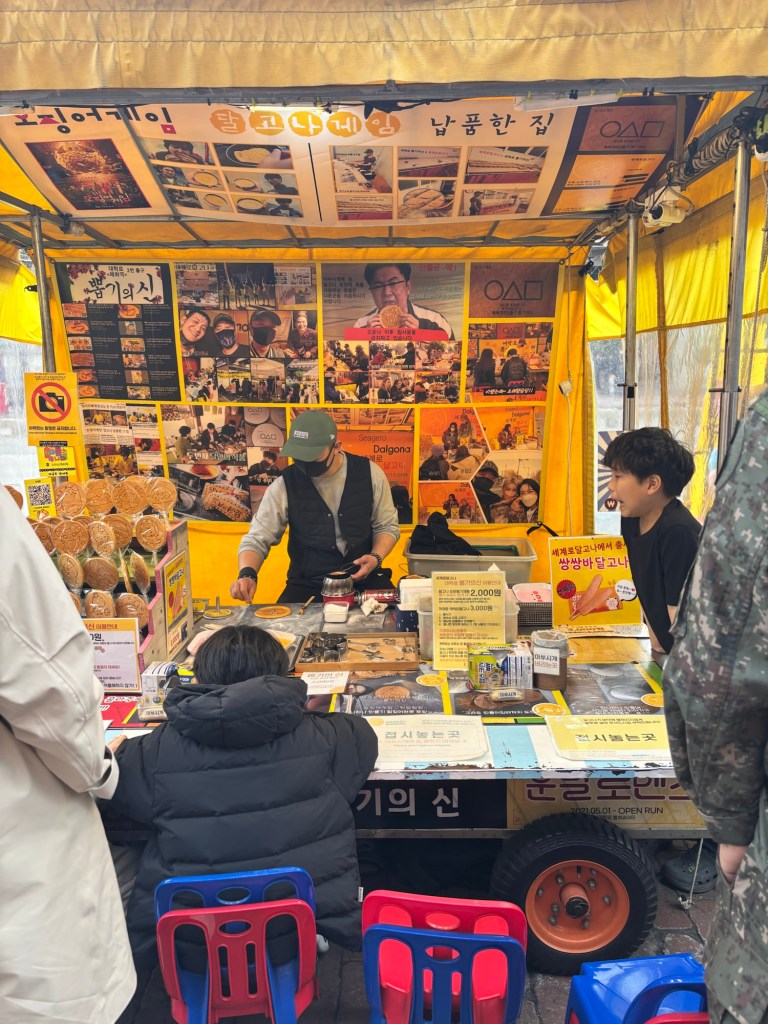
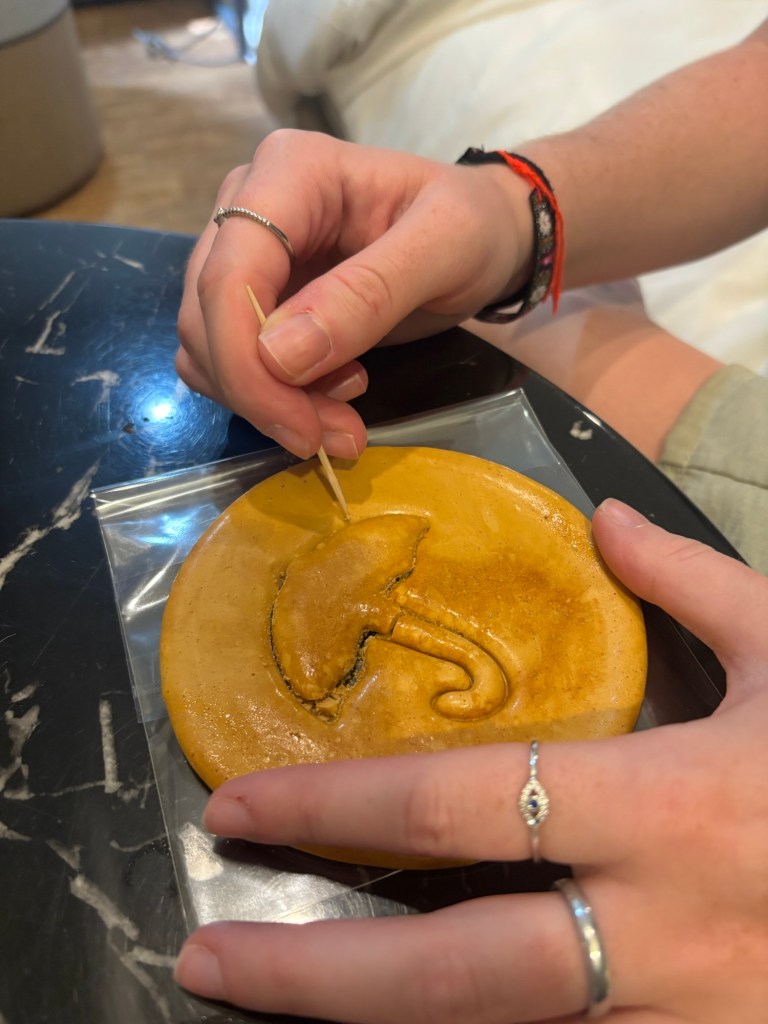
Dalgona candies are made by simply melting sugar and adding baking soda which creates a chemical reaction causing the mixture to foam up. The game made famous in Squid Game is where you have to use a toothpick to scratch out the shape without it snapping…
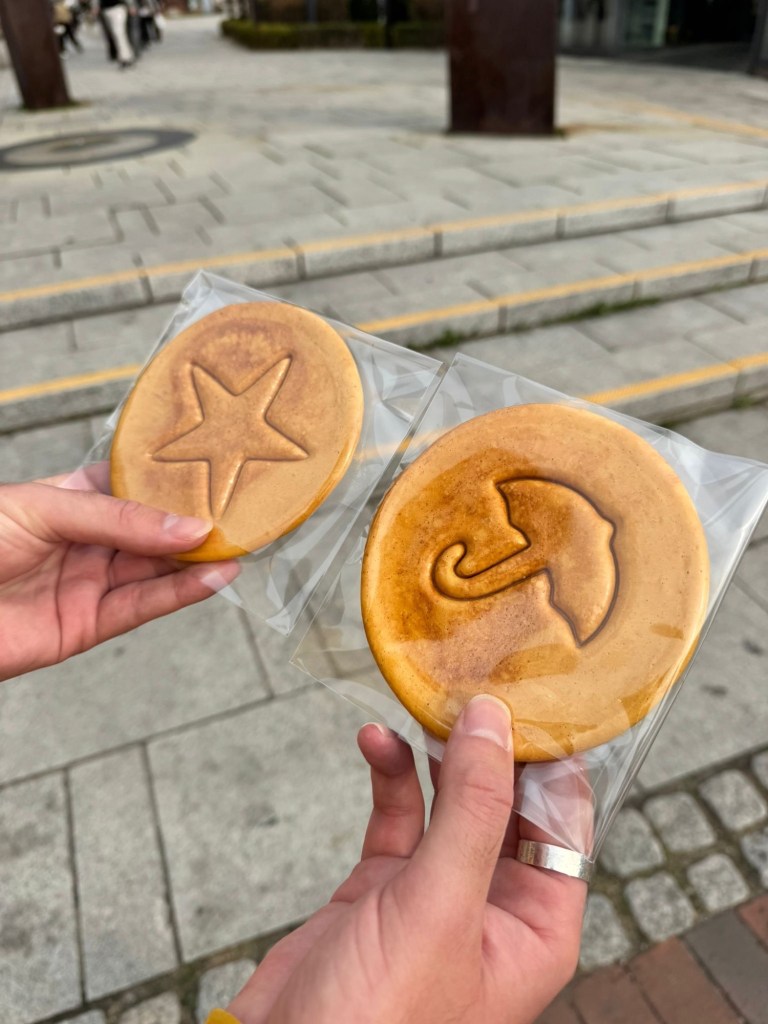
An Yong-hui had been running his stall for 8 years and typically sold fewer than 200 candies a day. After Squid Game became the most streamed Netflix programme in history he has been selling over 500 a day! He has kept the price the same at only 2,000 KRW (£1) for a freshly made Dalgona candy.
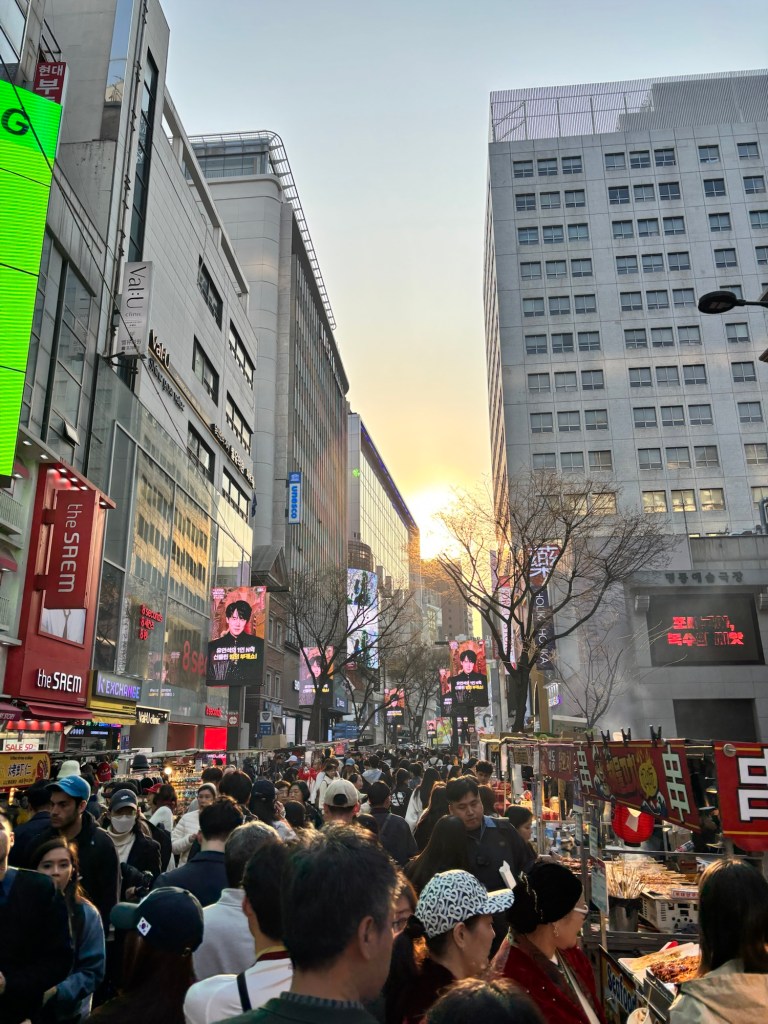
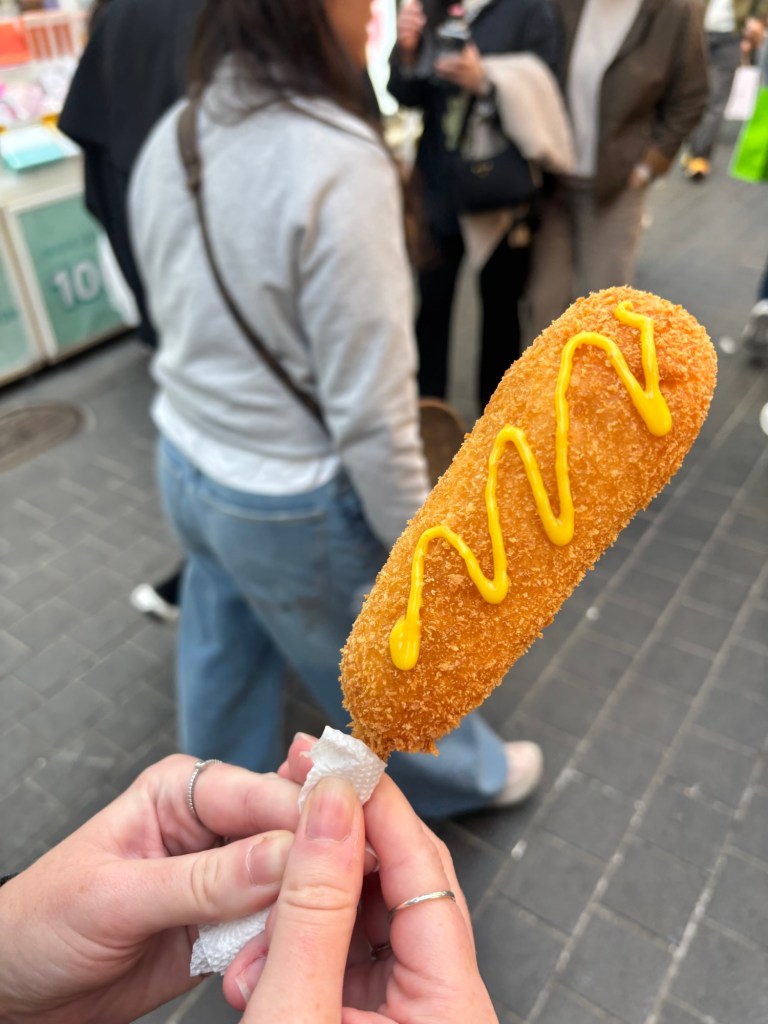
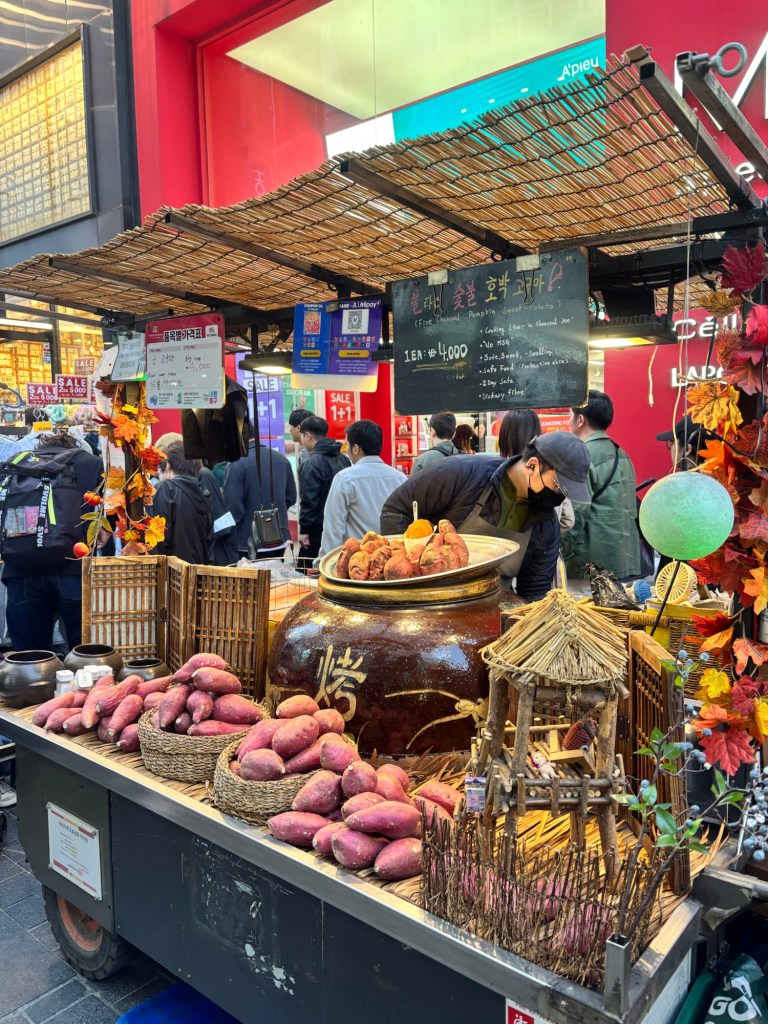
In the evening we went to Myeongdong night market which is one of the most popular markets in the city with over 150 stalls selling everything from grilled lobster to Tanghulu (sugar coated fruit skewers). It was fun to walk around if not a little too crowded!
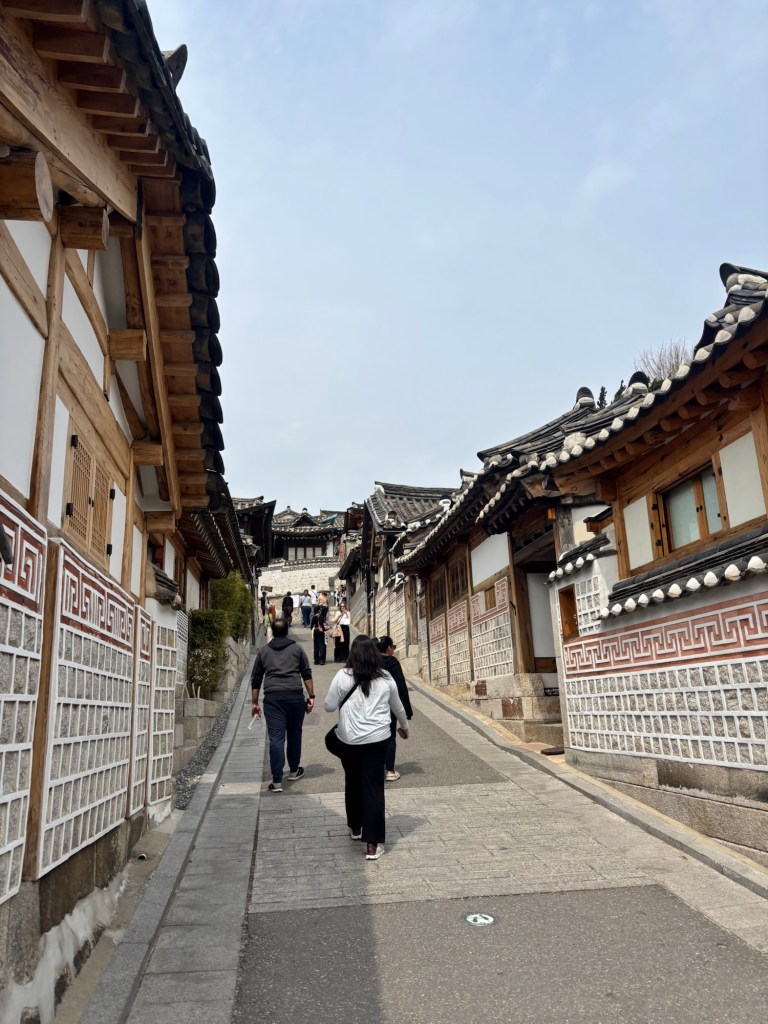
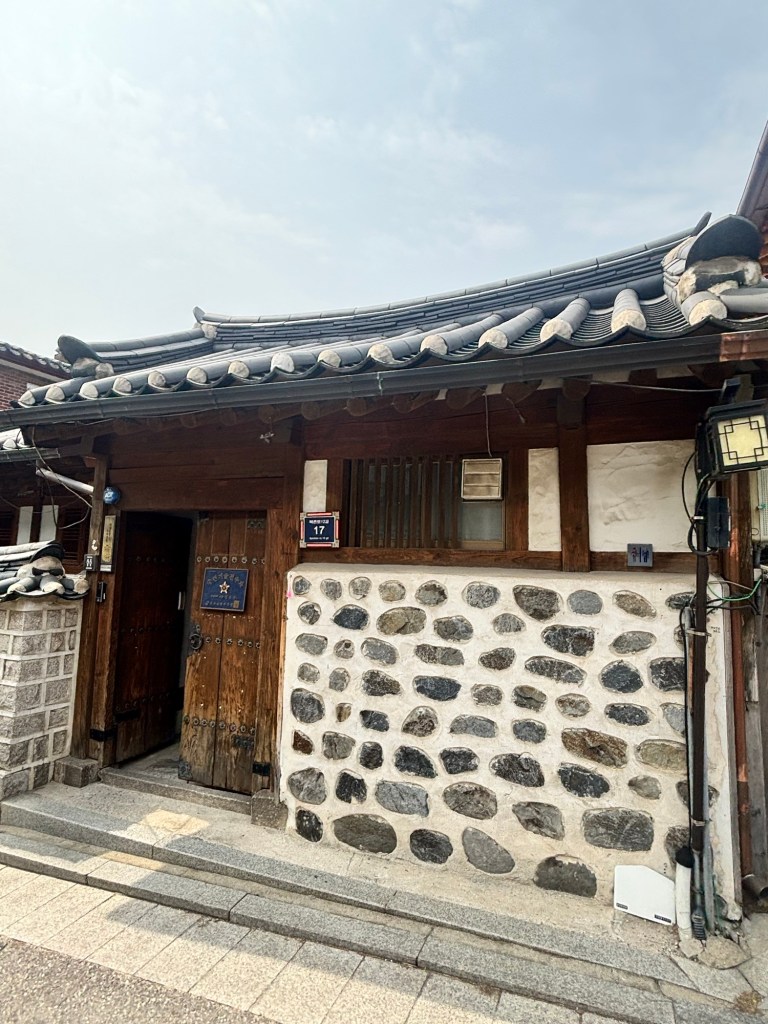
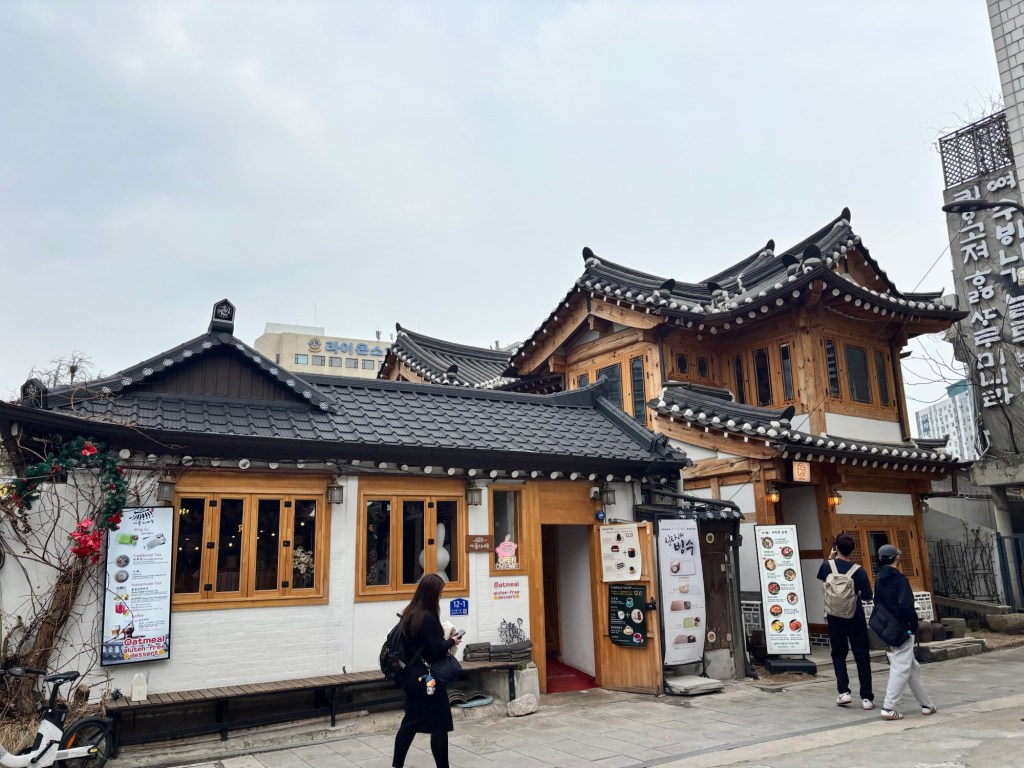
The next day we firstly went to check out Bukchon Hanok Village. It’s a historic neighbourhood dating back 600 years to the Joseon Dynasty. Many hanok villages have been recreated however Bukchon is a living neighbourhood where people still reside in the traditional Korean houses.
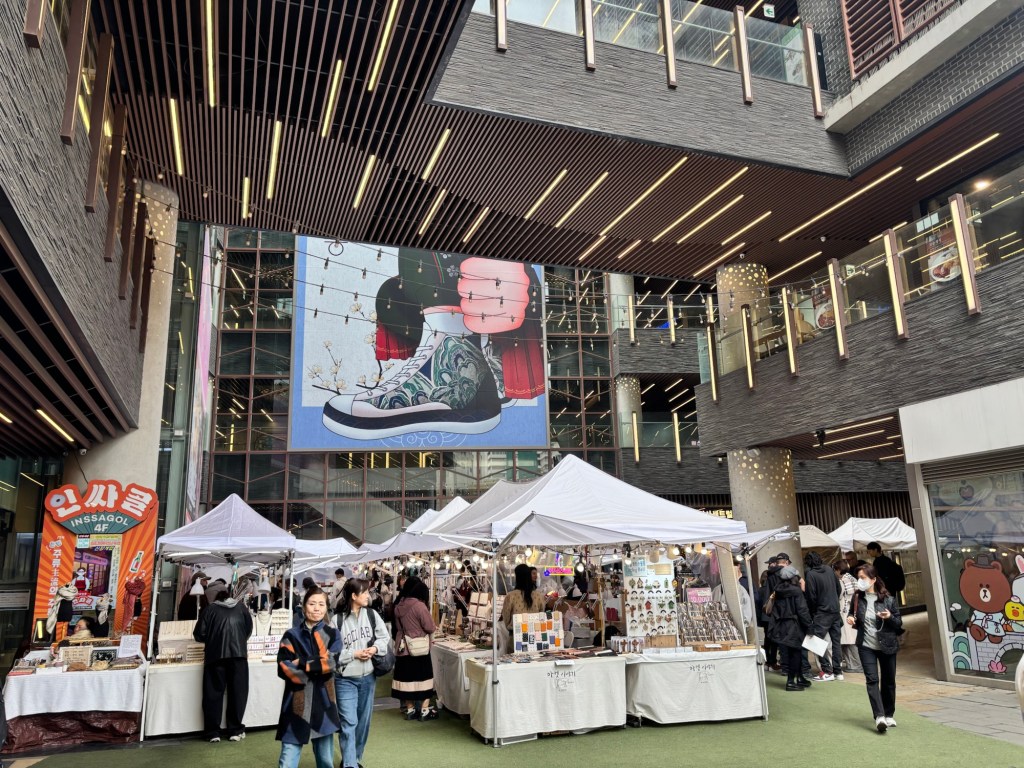
Nearby we went to check out Insadong Cultural Street which is home to lots of traditional teahouses, antique shops and unique craft stores. A lot of the shop signs use Hangul (Korean Script) even global brands including Starbucks. The area has over 100 galleries ranging from fine arts to modern sculptures.
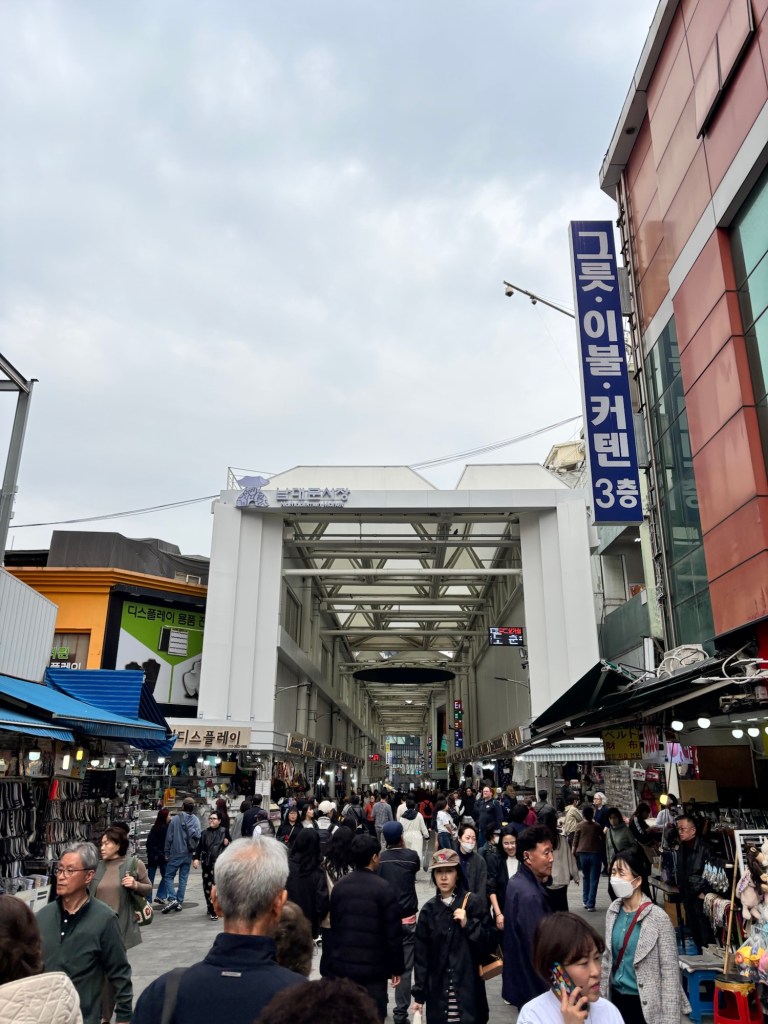
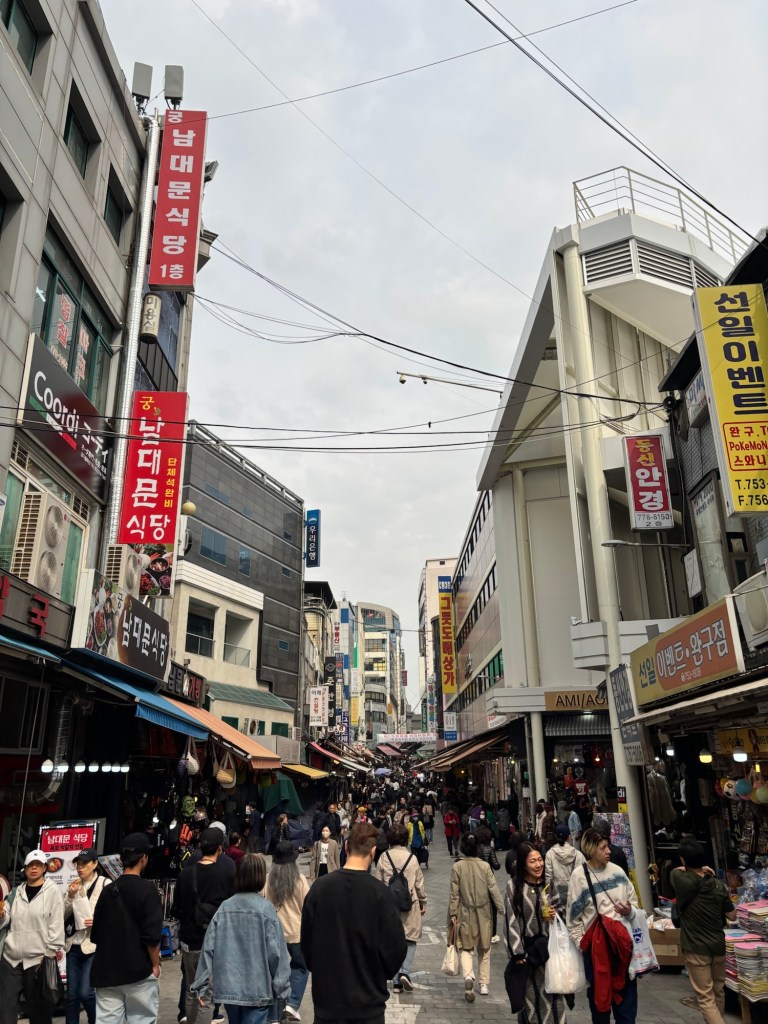
In the afternoon we went to the largest and oldest traditional market in South Korea with over 10,000 stalls called Namdaemun Market. It dates back over 600 years and there probably isn’t a thing you can’t find there. It had everything from kitchenware to imported sweets and is very famous for being the hub of children’s fashion in Korea.
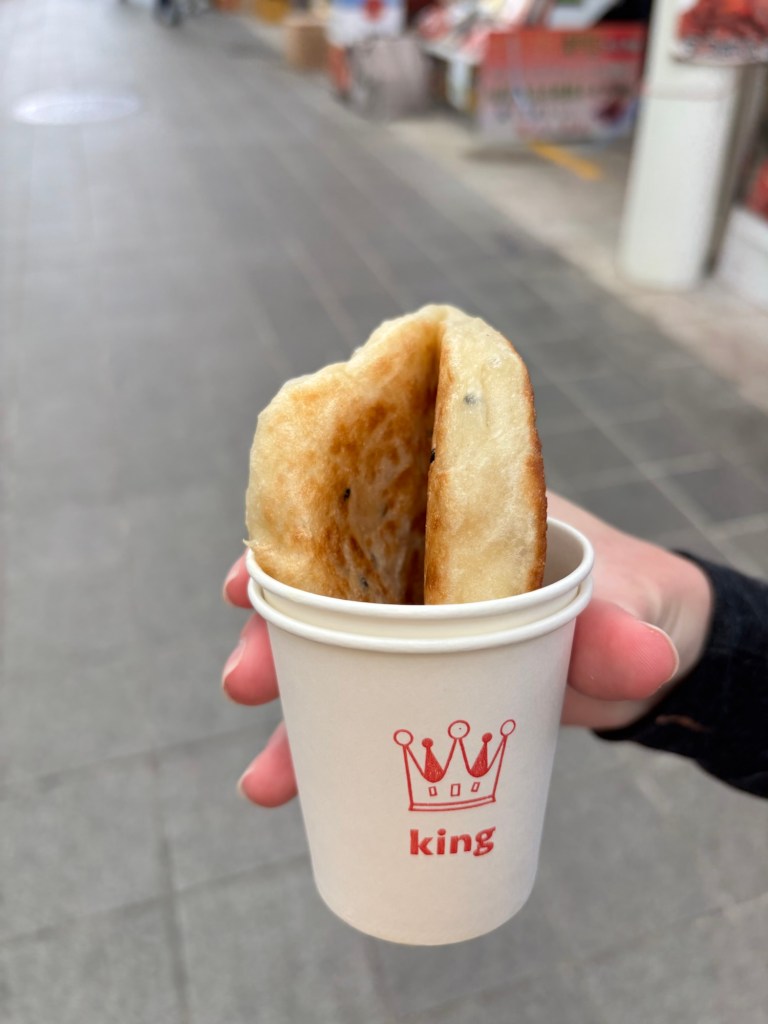
Tasha tried a modern version of a traditional Hotteok (a thick, pillow like pancake) with Gorgonzola cheese and honey inside. It was very hot!
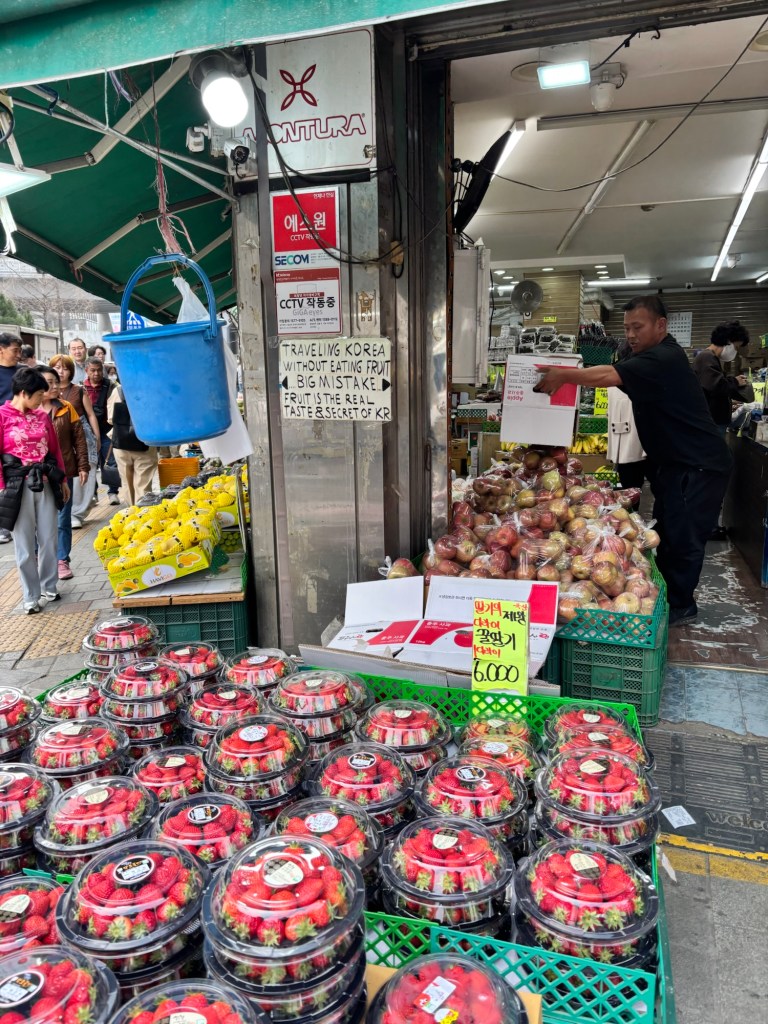
Just by the metro station was a fruit stall and we just couldn’t resist getting some of the enormous strawberries. South Korea has become a massive strawberry producer and they have become very popular abroad for their higher sugar content and juicy taste as a result of almost exclusively being grown in greenhouses.
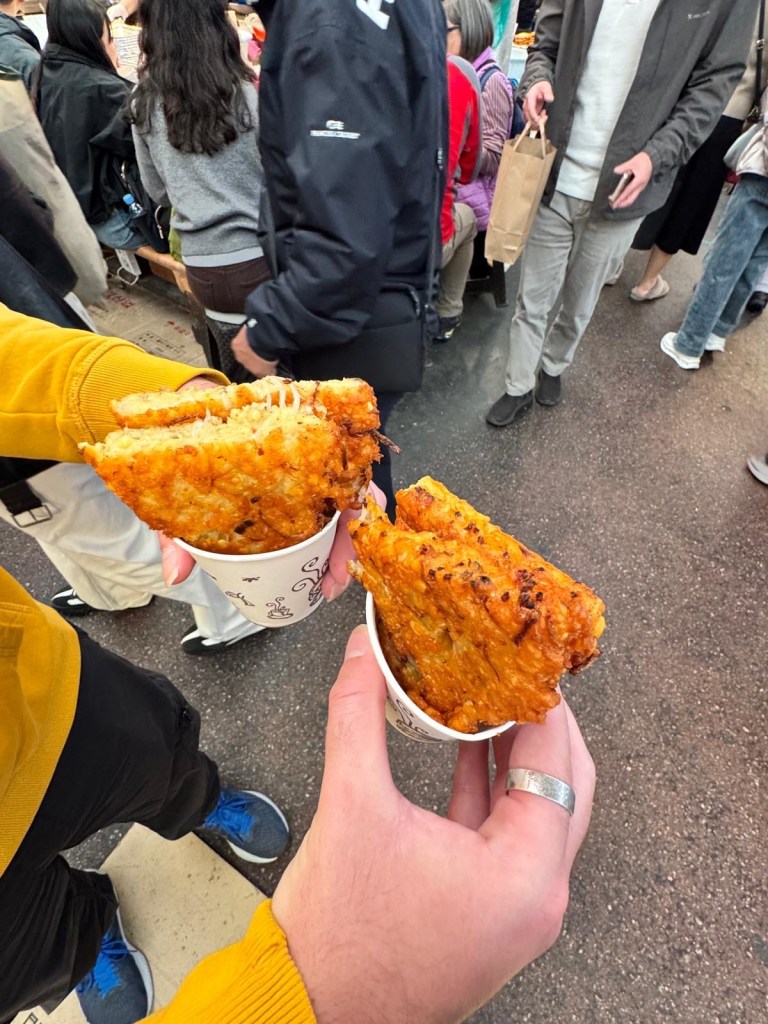
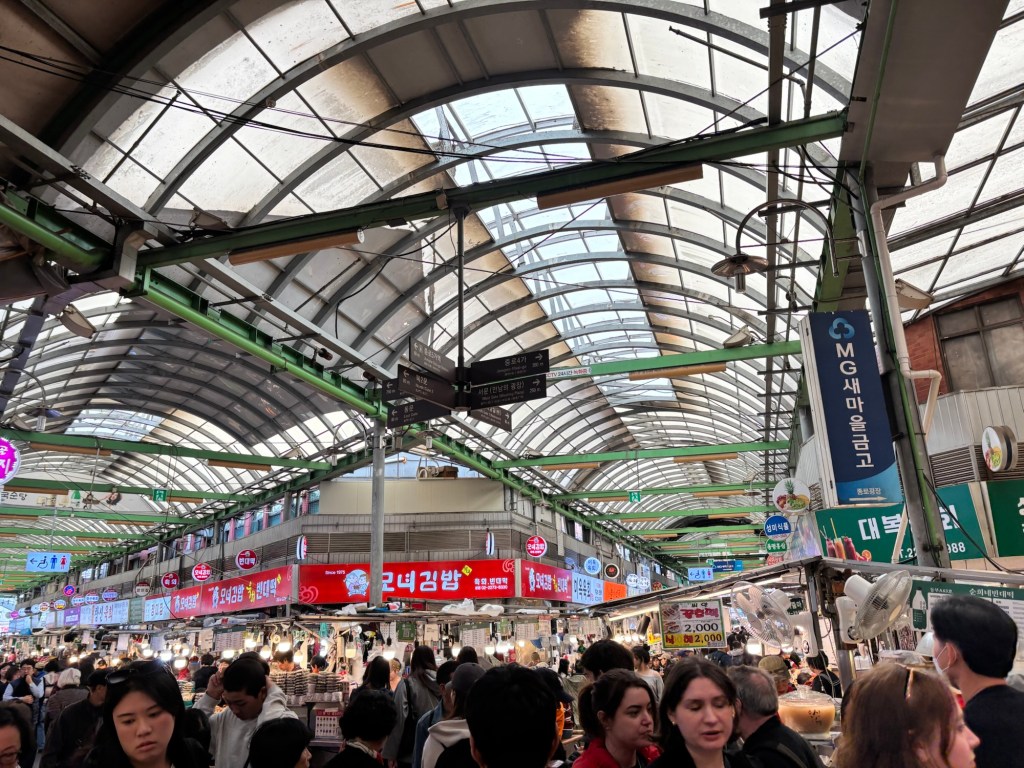
Yesterday we started our day with yet another market, this one being called Gwangjang Market. It’s very popular for its wide range of street food stalls and is a very popular place for locals to eat. We tried a traditional Bindae-tteok (mung bean pancake) which is a savoury, crispy pancake made with ground beans and vegetables.
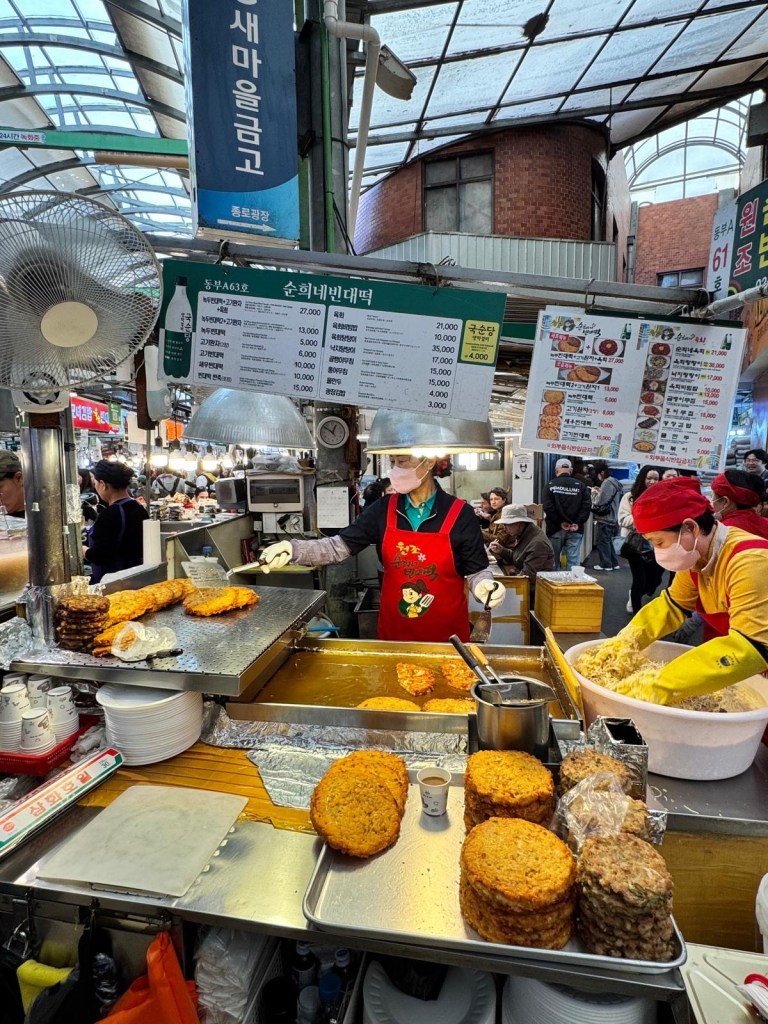
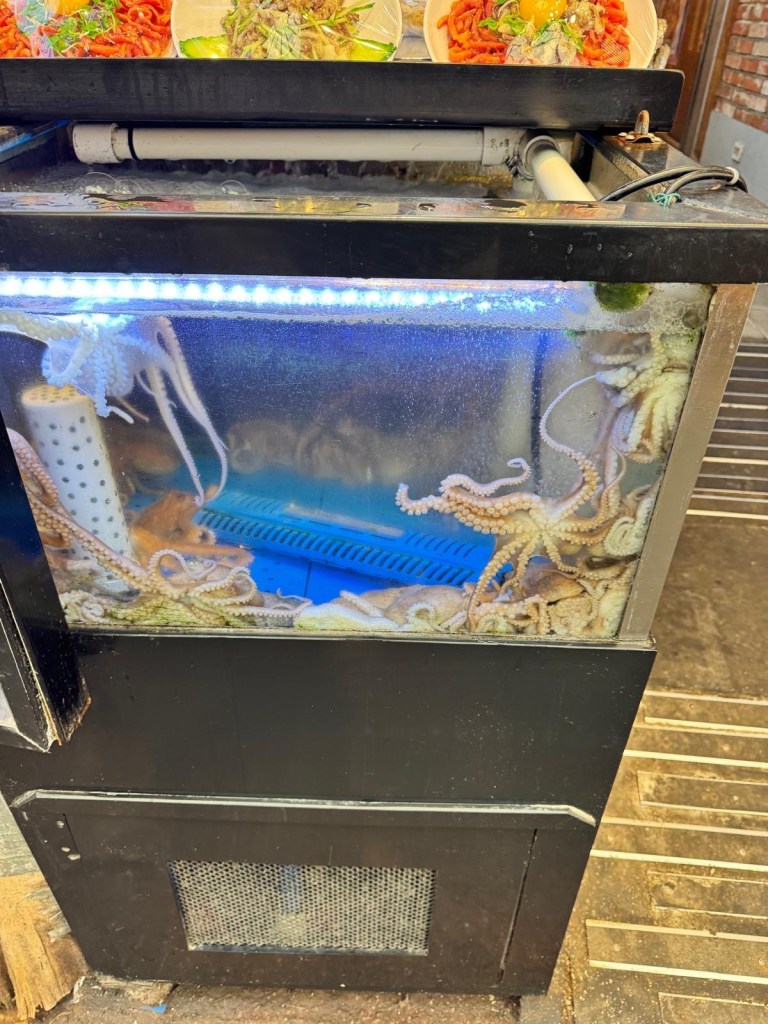
We spent quite a bit of time walking around and looking at all the different food on offer. The most popular seemed to be knife cut noodles, beef tartare and octopus!
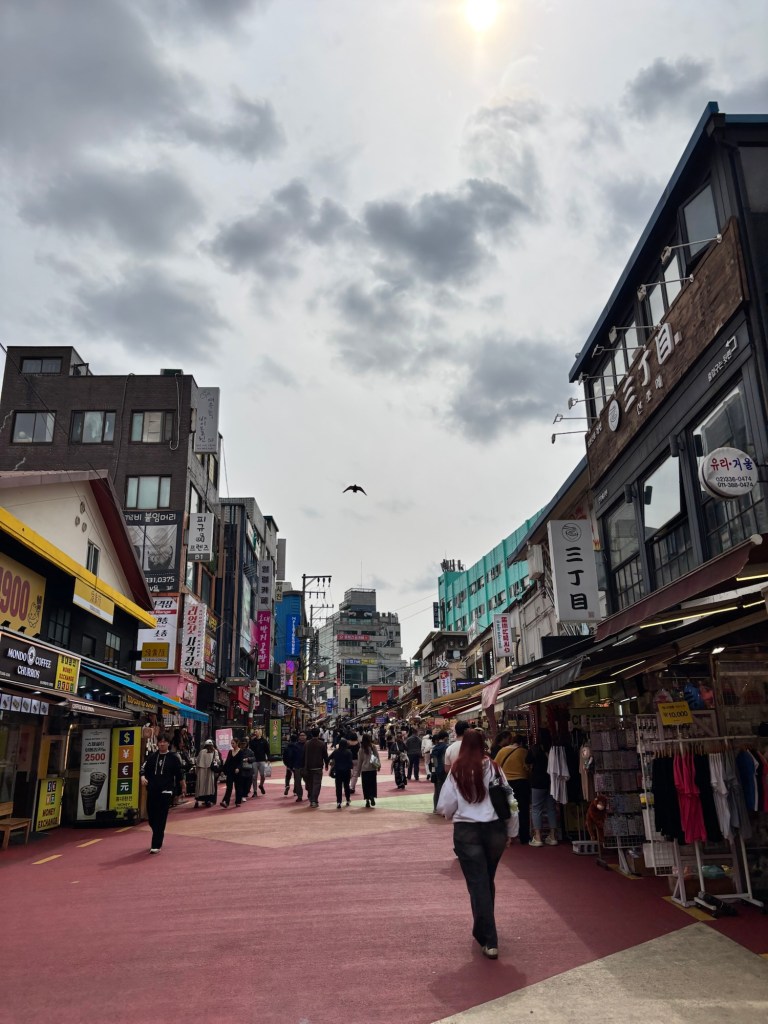
We spent the afternoon exploring the Hongdae district which is centred around Hongik University making it an area with vibrant nightlife, themed cafes, arcades and lots of street busking.
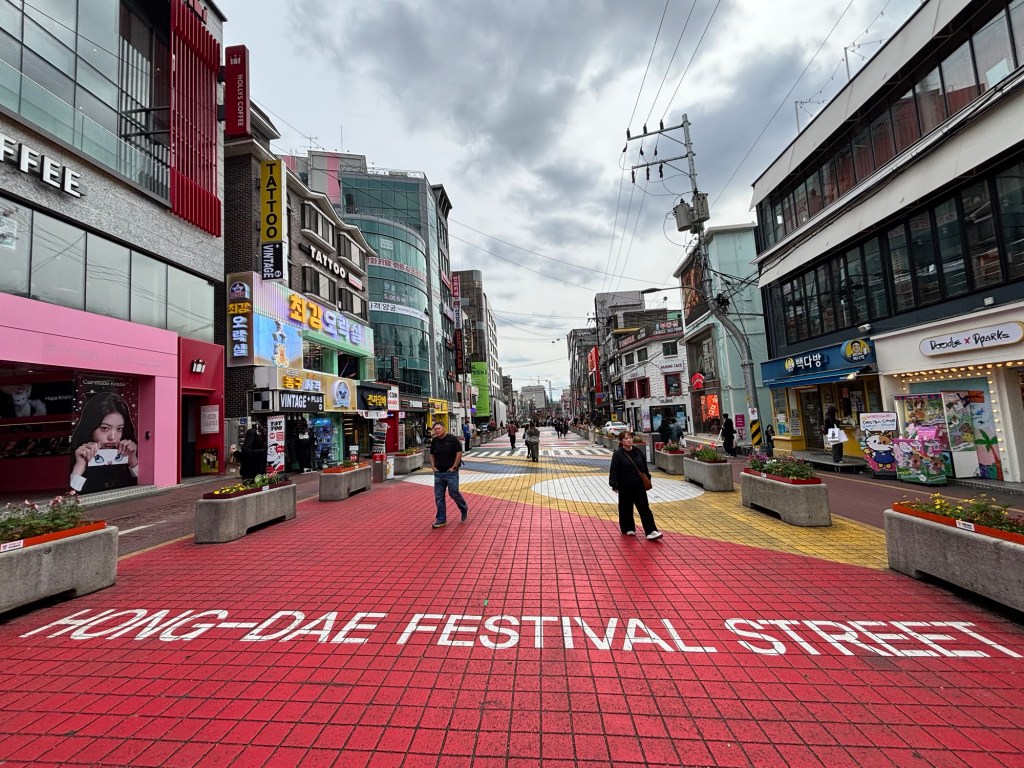
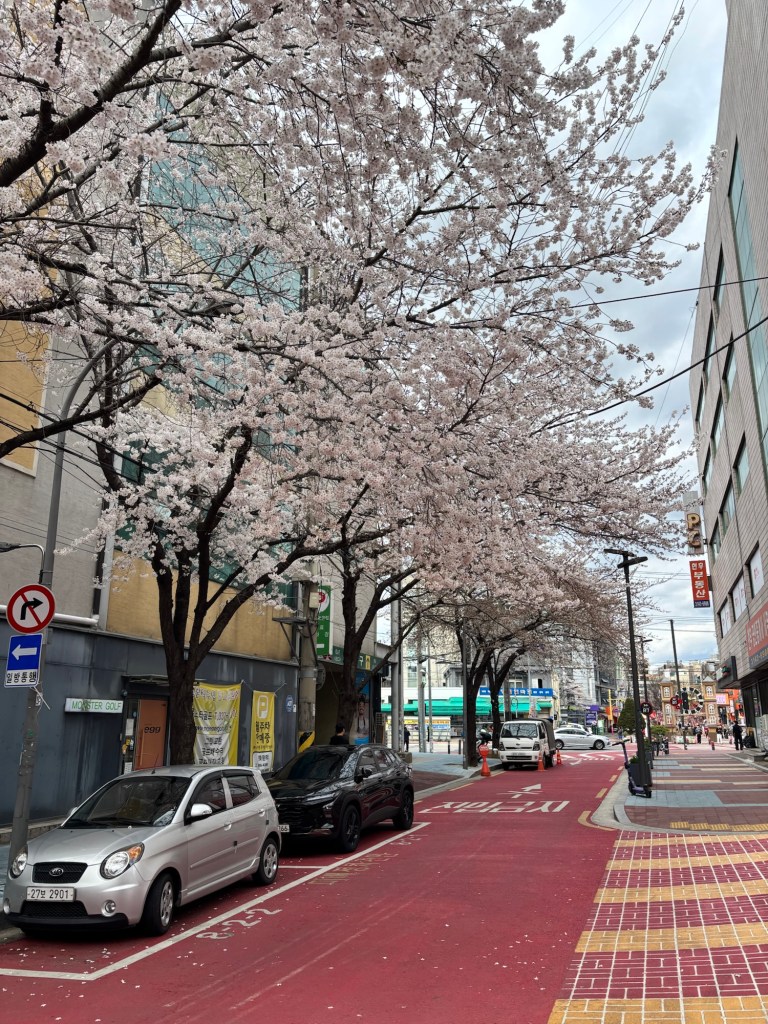
The highlight of the area is the pedestrian friendly ‘Red Road’ which is painted that colour to symbolise passion and youth.
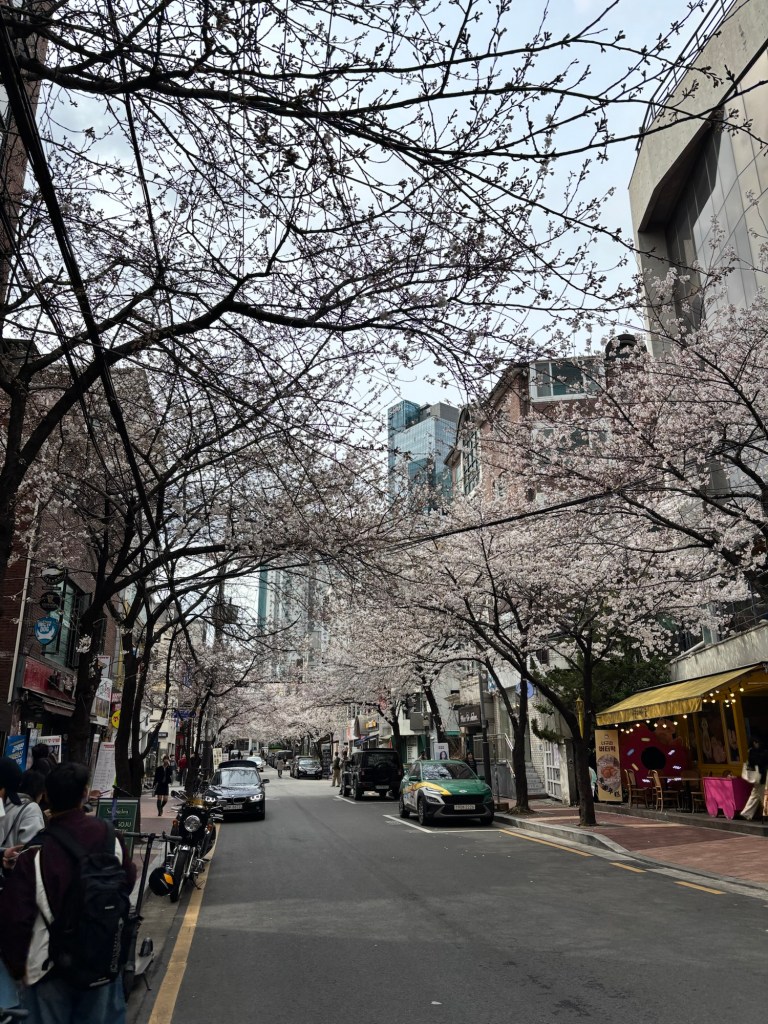
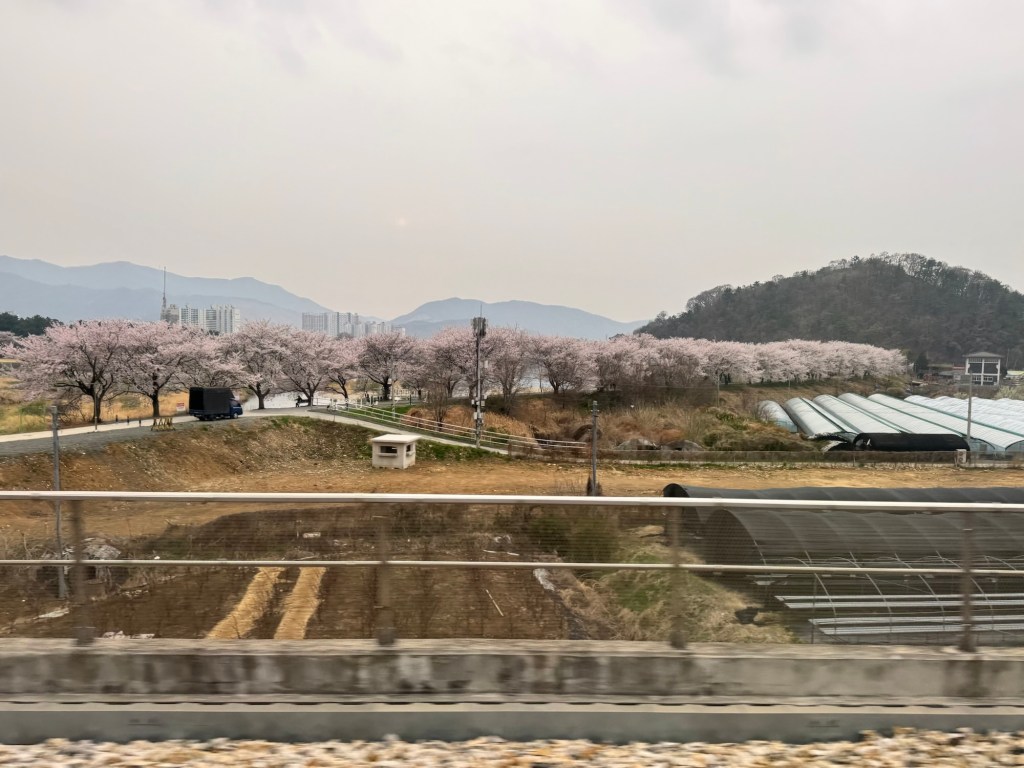
Just by walking around we found a couple of streets that were lined with blossom trees. We thought we wouldn’t see it until our next city however this year they have blossomed 10 days earlier than usual due to the higher temperatures.
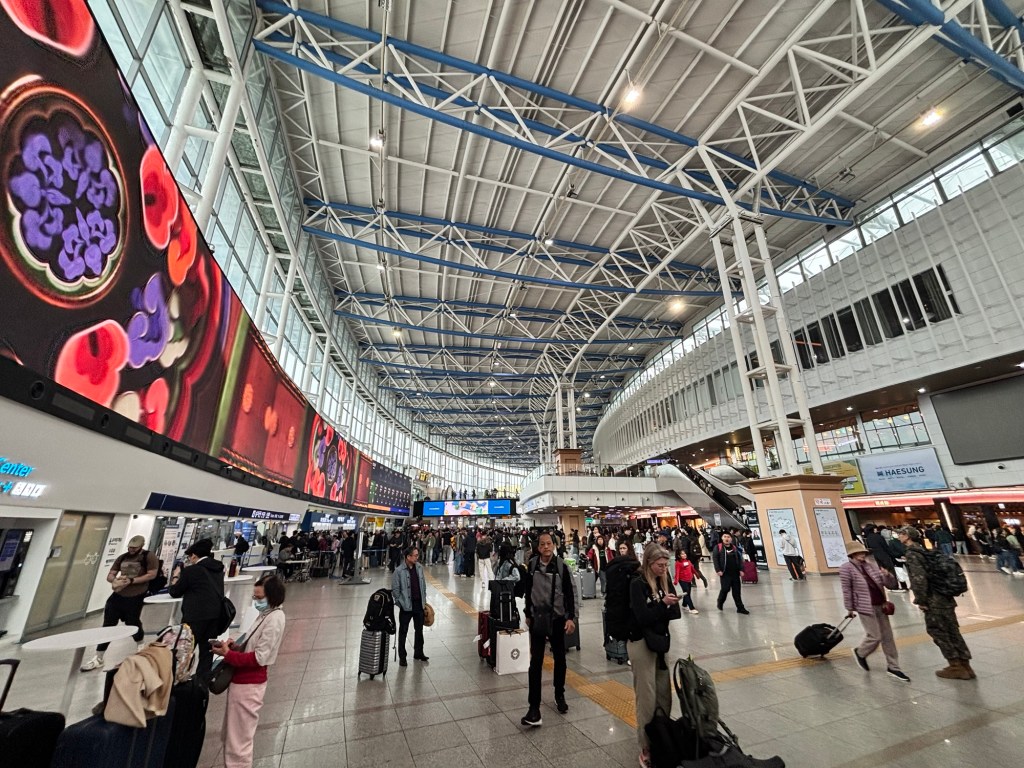
This morning we got the metro to Seoul Station to catch a 6 hour train down through the countryside of South Korea to its second biggest city, Busan.
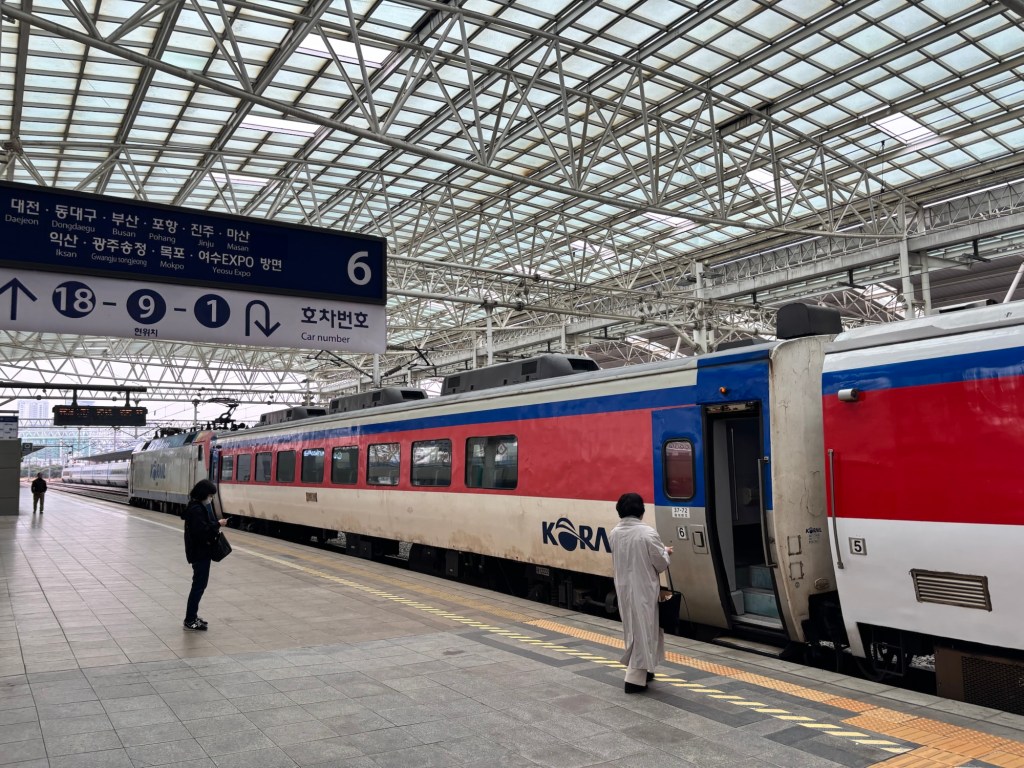
Busan is home to the 6th largest container port in the world and is also the only major city not to be captured by the North Korean Army in the Korean War and acted as the country’s provisional capital for 1,023 days. It was where the US arrived to help counter the invasion so hopefully there will be lots of history to learn about in the 6 days we’re staying.
 LittleSandyBeach
Leave a comment