In the morning before we went to the airport for our flight to Fukuoka we had to do what everyone does in Korea – go to Olive Young! It is the leading health and beauty retailer in South Korea known for its huge selection at very affordable prices.
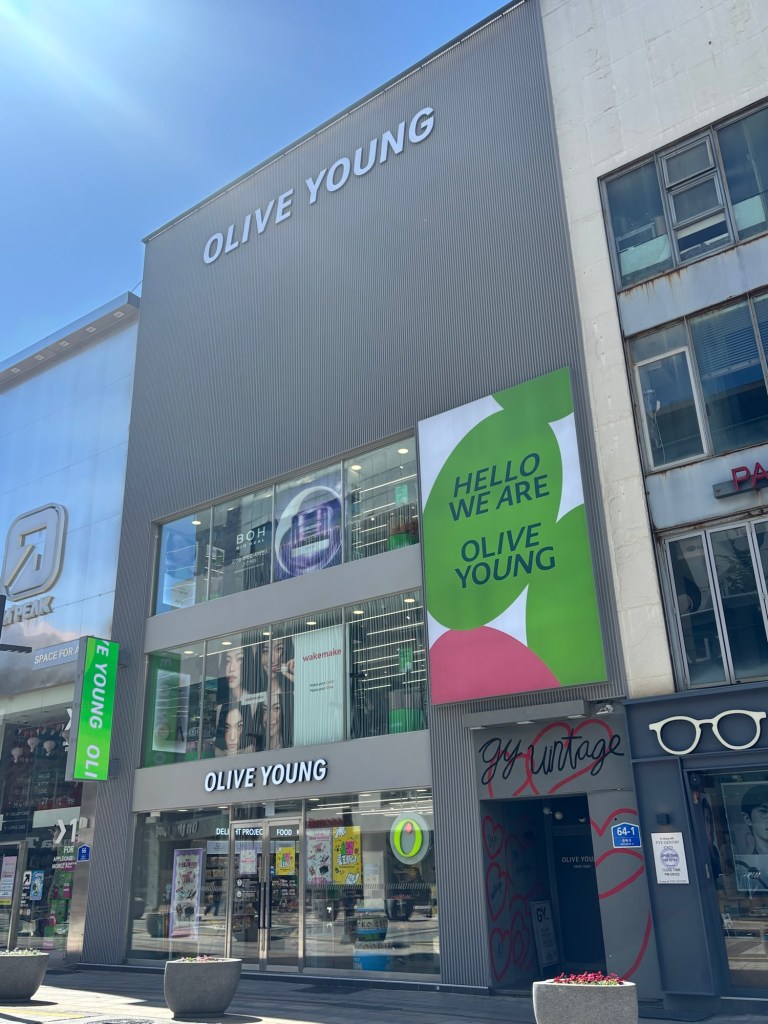
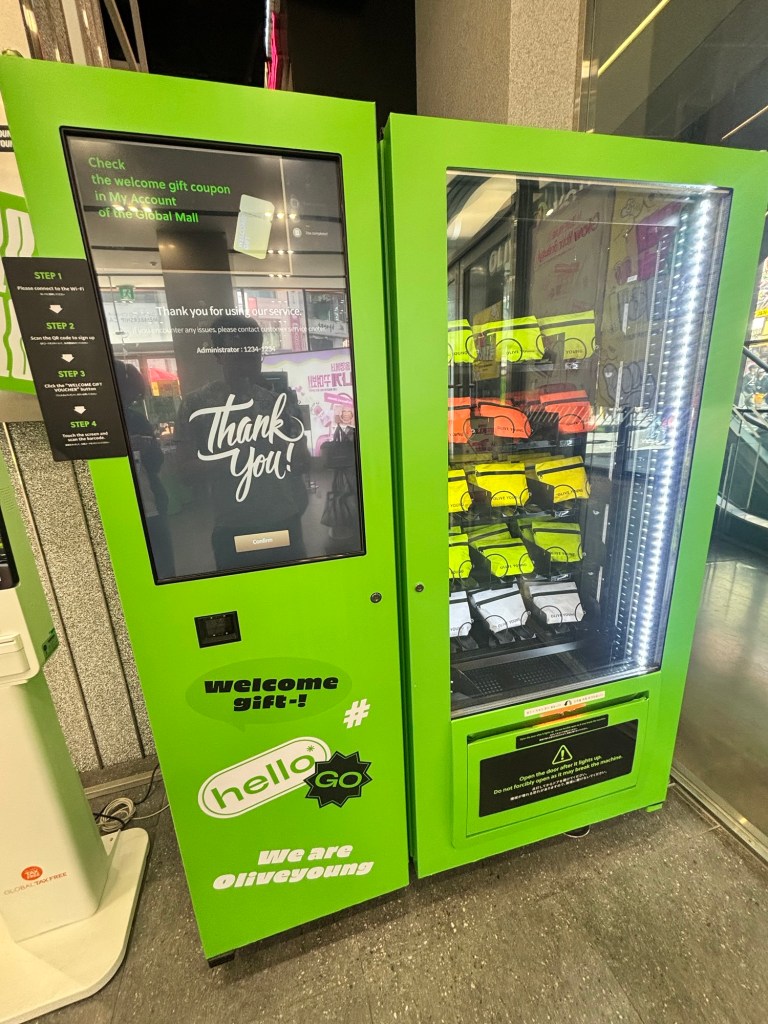
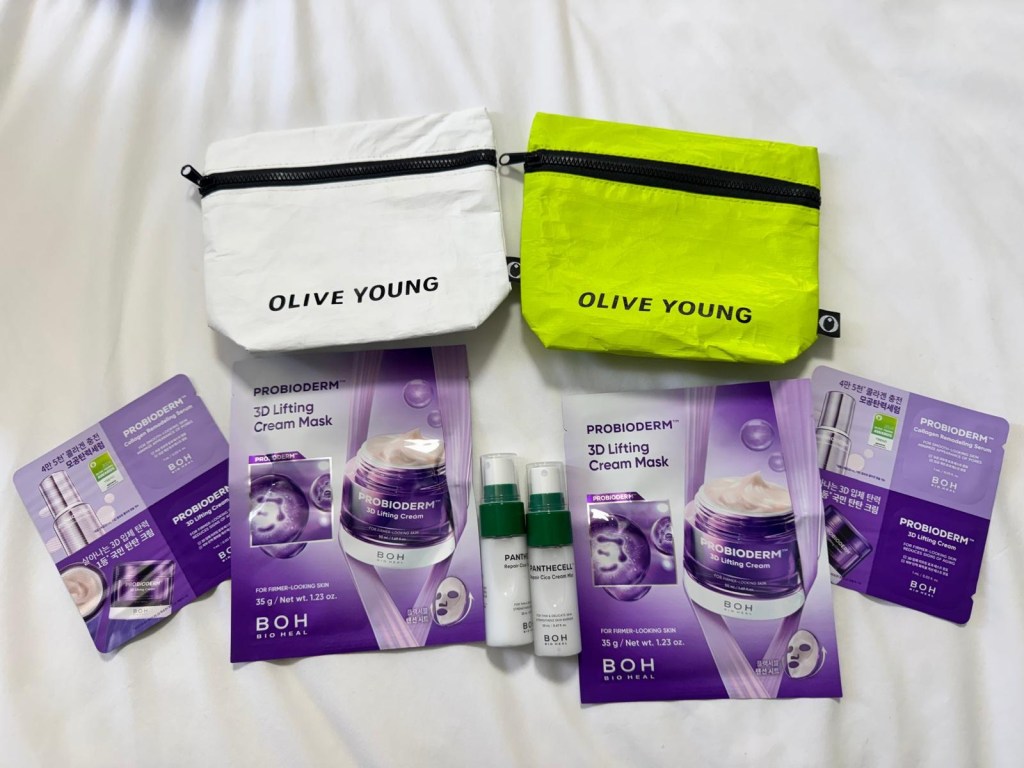
Inside the store was a vending machine where we both signed up for free and received two goody bags with some face masks and serums. Tasha made a couple of purchases and hopes to look 10 years younger – who knew salmon DNA was good for your skin!
Later that day at 6pm we boarded our plane and were surprised when everyone was told to shut their window blinds for takeoff due to ‘military activity’. It was a lot more scary not being able to see out the window, not something we would like to do again.
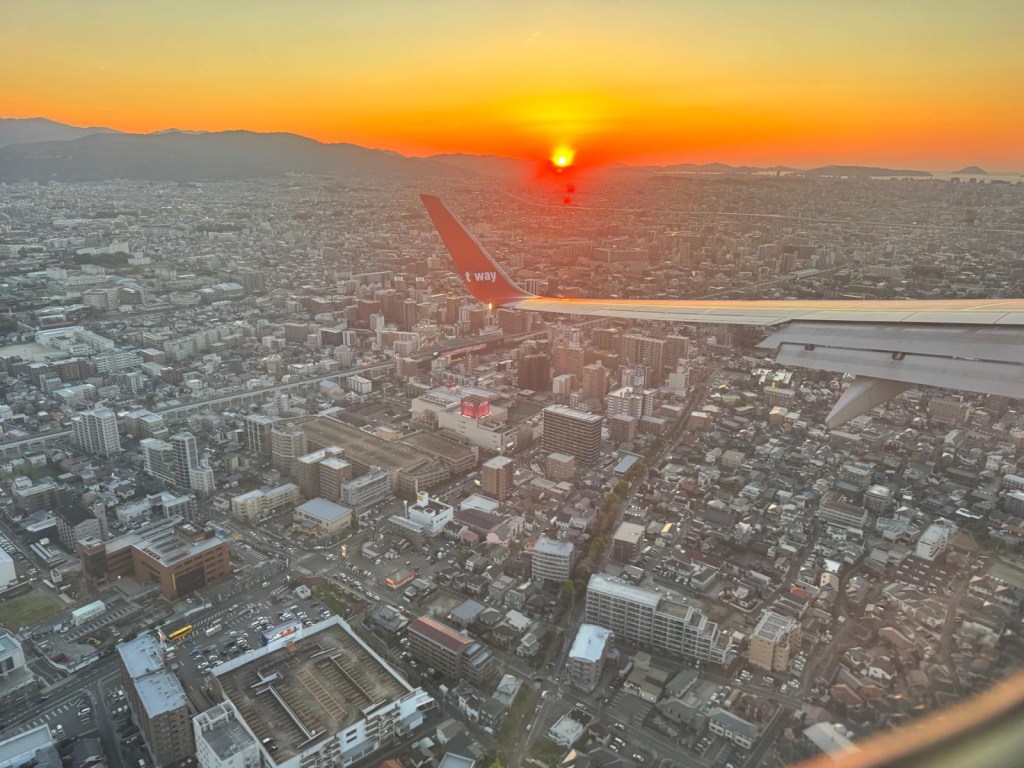
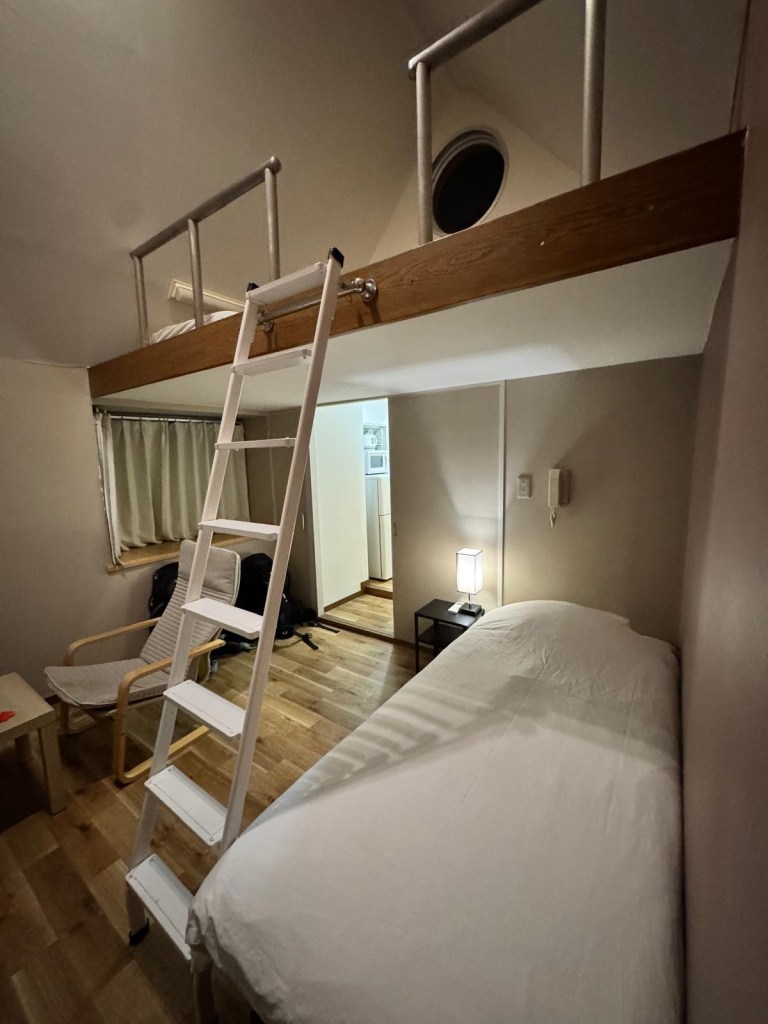
We then caught the metro to our apartment out in the suburbs with the locals. After a struggle opening the door, we made it into our cute little home for the next three nights.
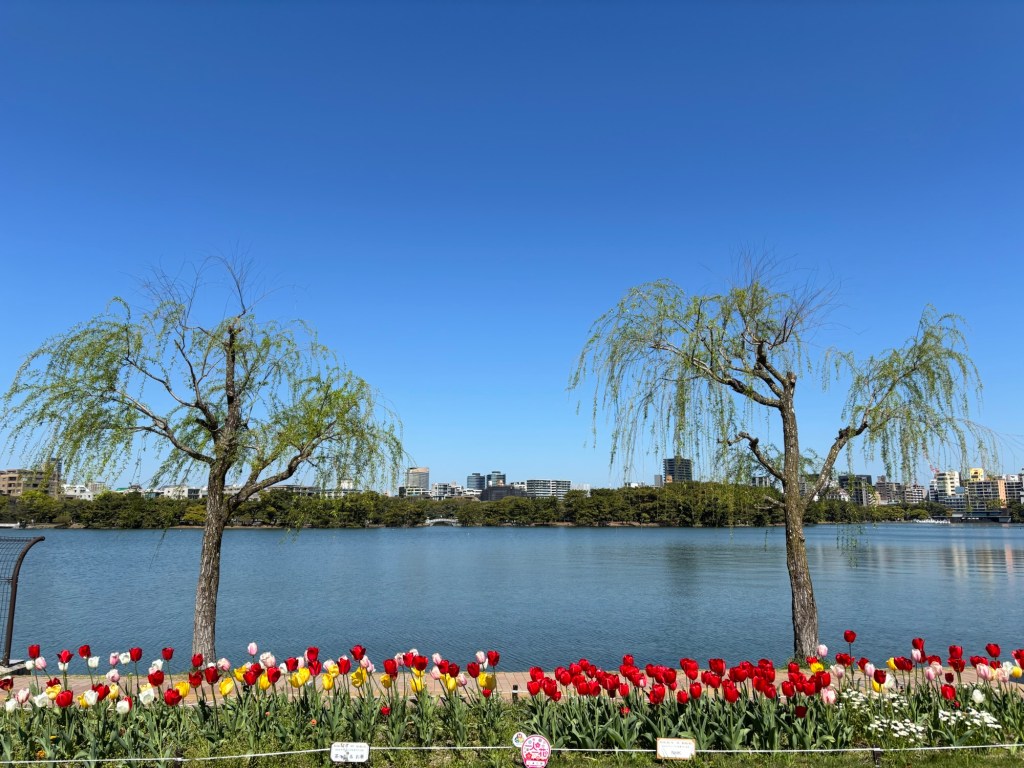
The next morning we were up bright and early to go and check out Ohori Park. It is one of Fukuoka’s most popular public spaces centred around a lake which once served as part of the moat for Fukuoka Castle. It reminded us of Lumpini Park in Bangkok with all the joggers doing their laps.
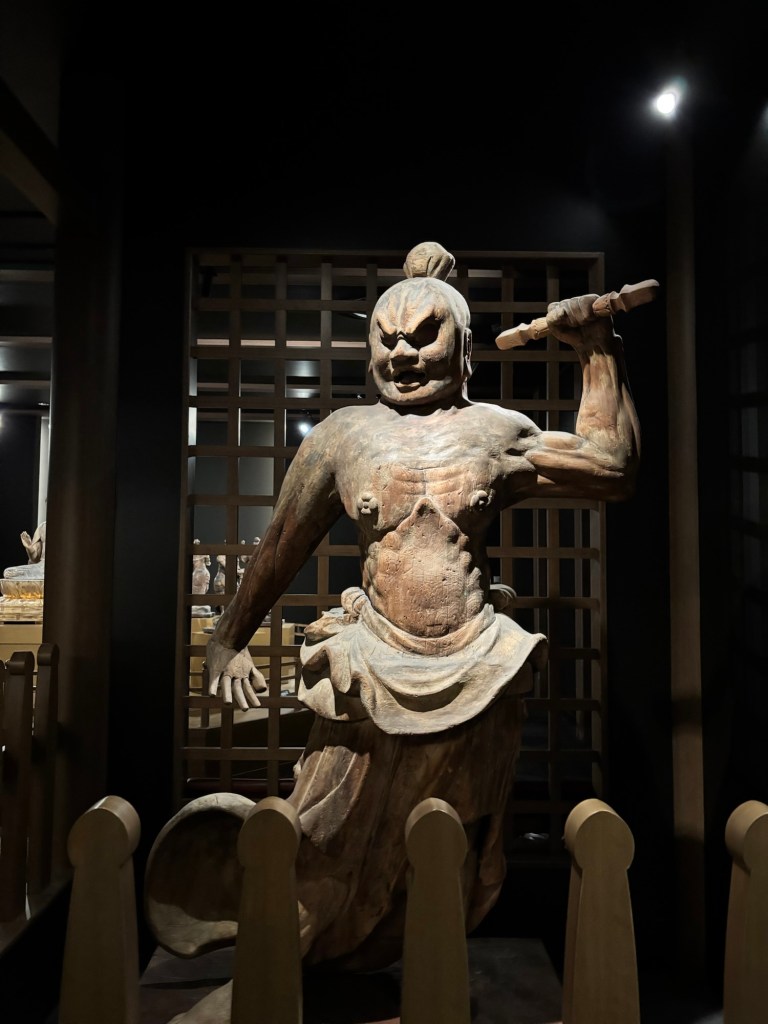
Within the grounds was also Fukuoka Art Museum which has a wide range of works ranging from ancient Buddhist statues to modern masterpieces. For just 200 JPY (94p) each we got access into both galleries.
Upstairs in the second exhibition concentrating on modern masterpieces we got to see the works of Salvador Dali, Andy Warhol and Roy Lichtenstein.
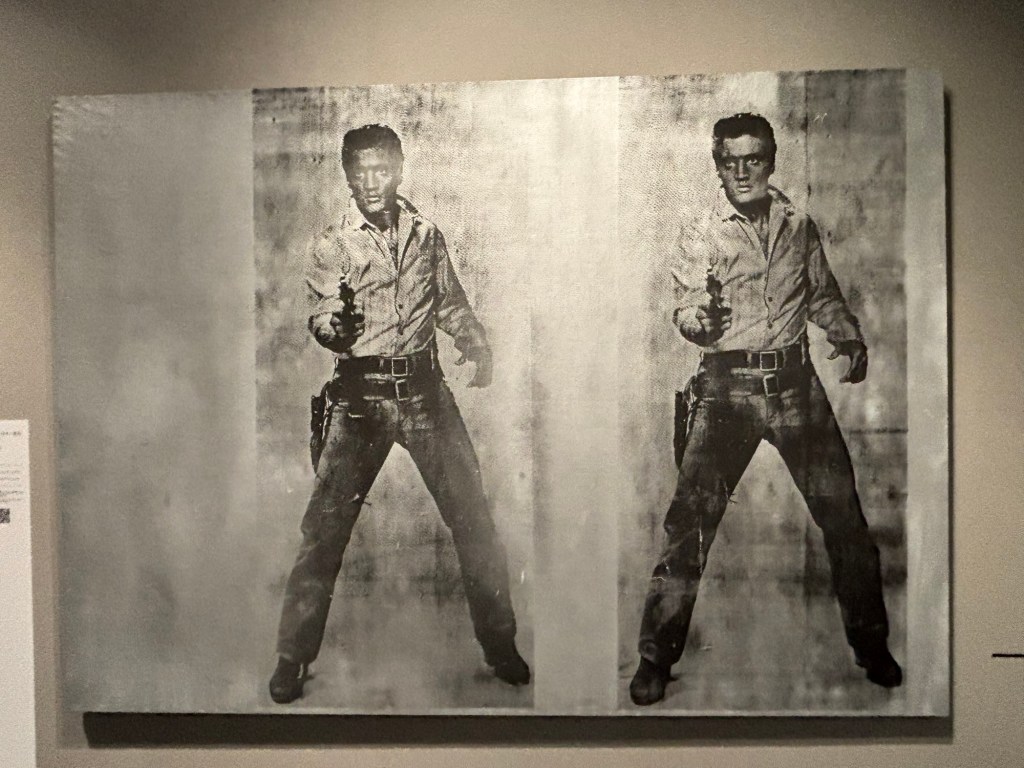
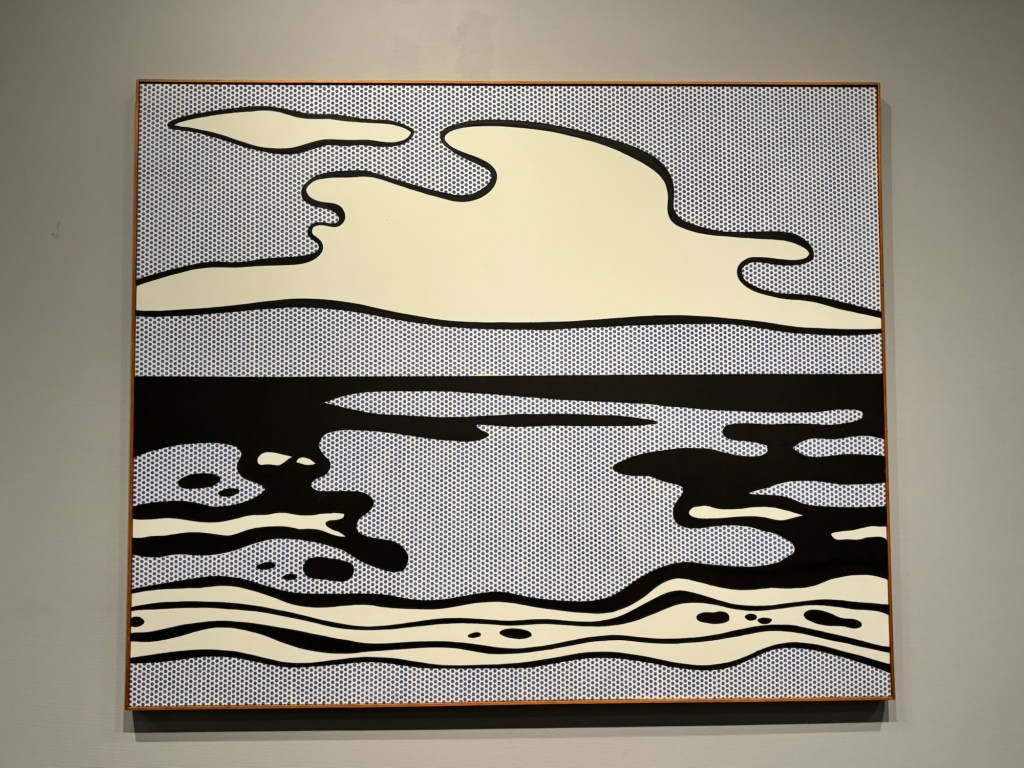
We couldn’t quite believe how openly displayed the artworks were with no protective casing or barriers. There wasn’t even a security or bag check to enter, Just Stop Oil protesters would have a field day! Luckily that sort of stuff doesn’t happen in Asia!
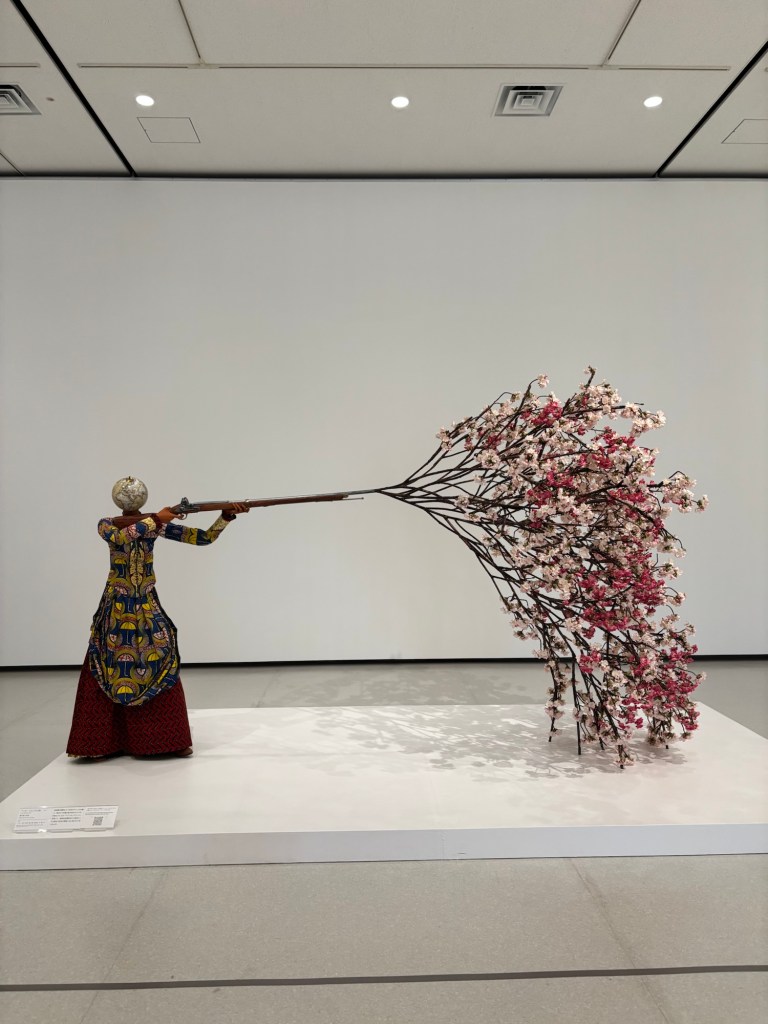
However our favourite by far was by British artist Yinka Shonibare and created in 2019.
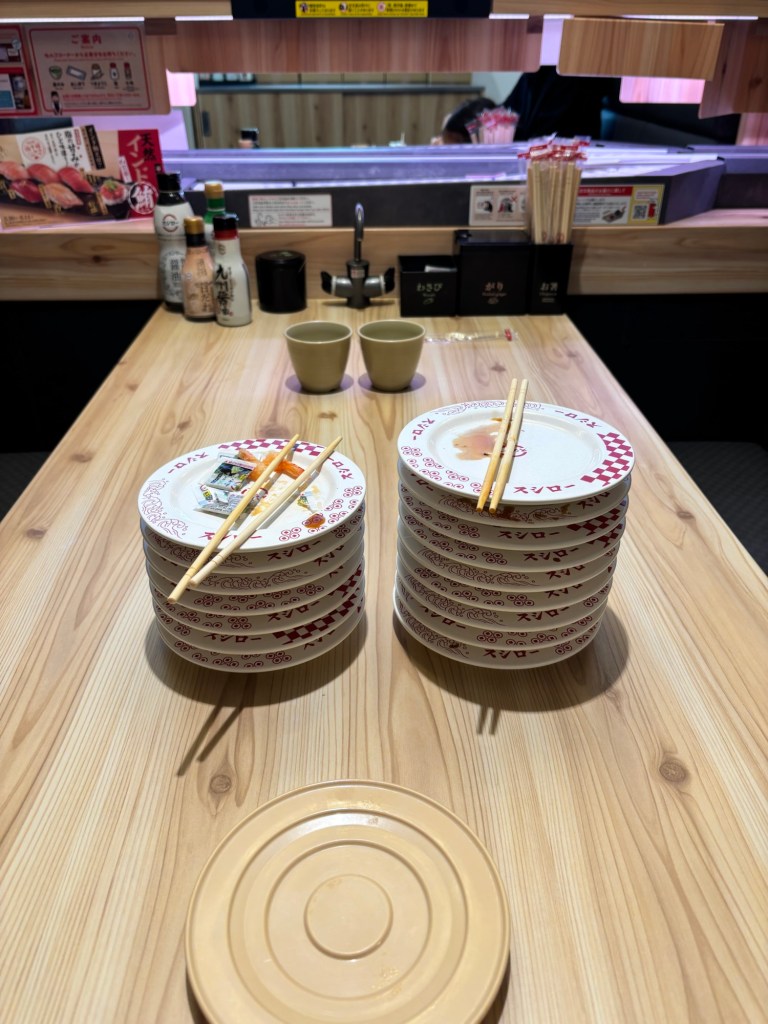
For lunch, we tried our first Japanese sushi conveyer belt restaurant called Sushiro. It is the largest sushi chain in Japan with over 650 locations and it didn’t disappoint.
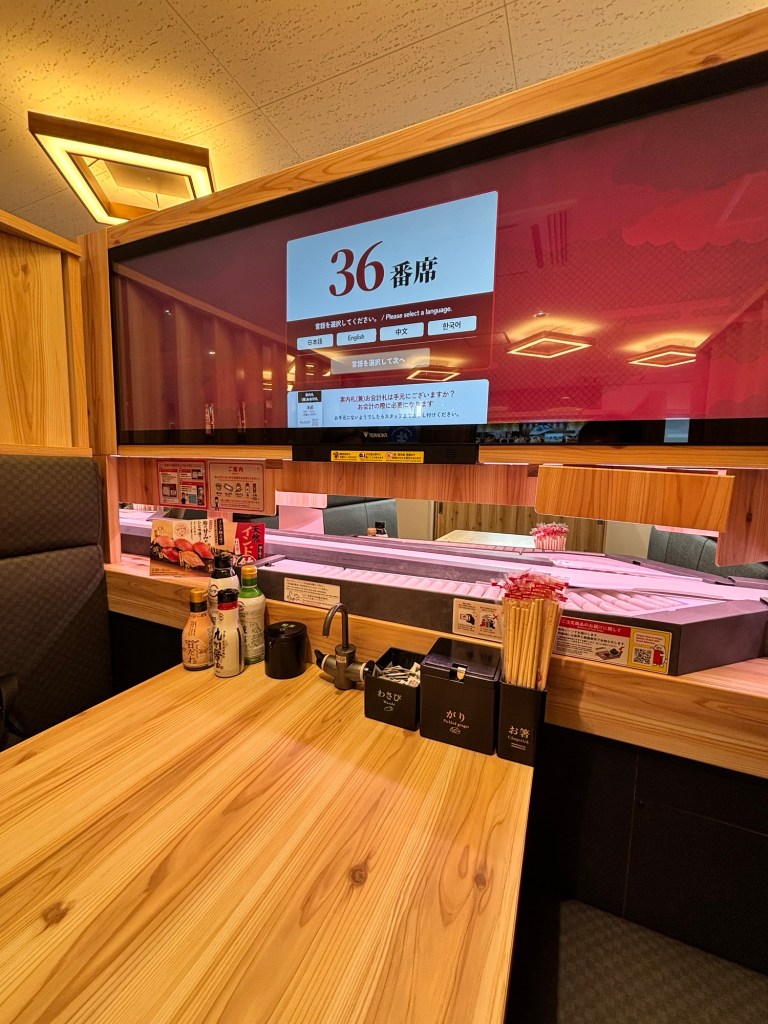
You get unlimited matcha tea, condiments including our favourite pickled ginger and wasabi. You can also play a game on screen after you order a certain amount… guess what, we won a prize!
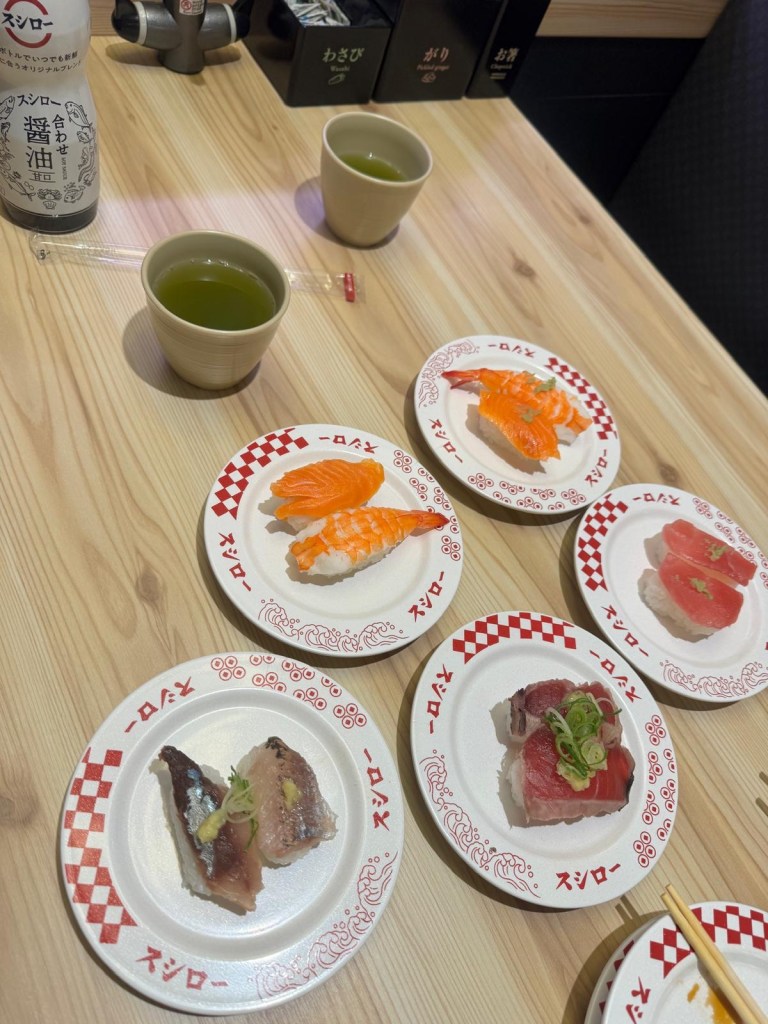
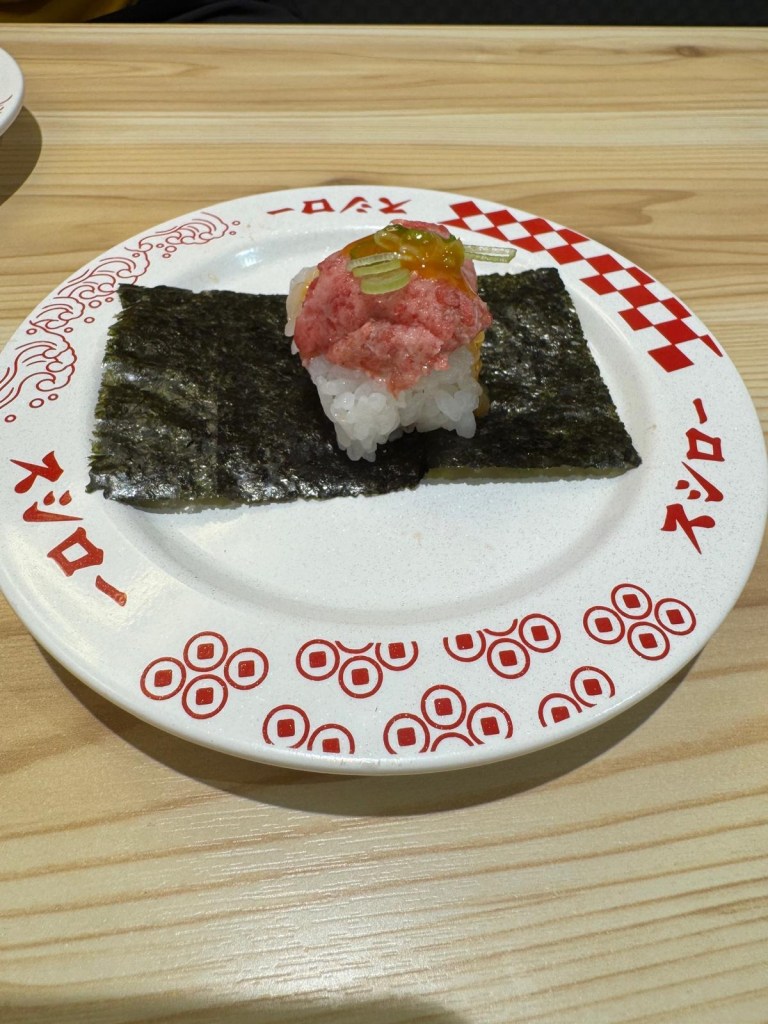
We nearly fell over at the price… 16 plates for 2,517 JPY (£11.78). Insanely cheap and some of the freshest sushi we’ve ever had. Most dishes such as the 2x salmon/tuna/shrimp nigiri’s are only 150 JPY (70p)! We might be going back a few times!
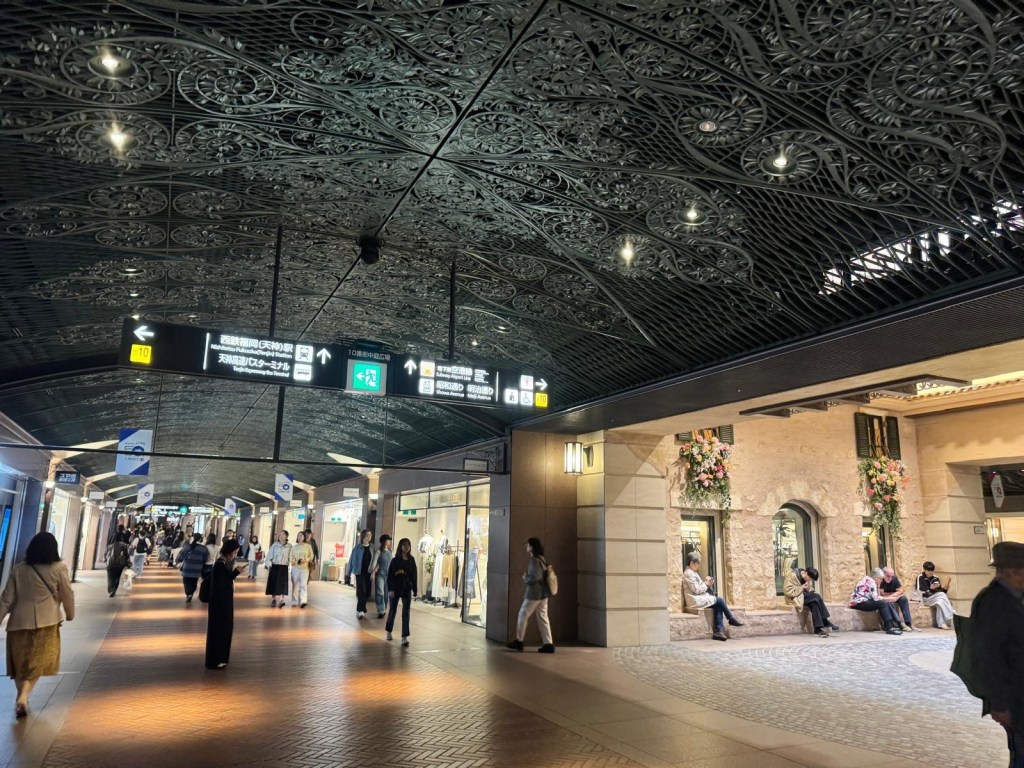
In the afternoon, we explored Tenjin Underground Mall, which has a 19th century European inspired theme with 12 avenues filled with shops and eateries.
We then went to explore the seaside district of Monochi. The entire site was reclaimed from the sea before being transformed into a modern district for the Yokatopia’89, a massive expo held to celebrate the 100th anniversary of Fukuoka city’s incorporation.
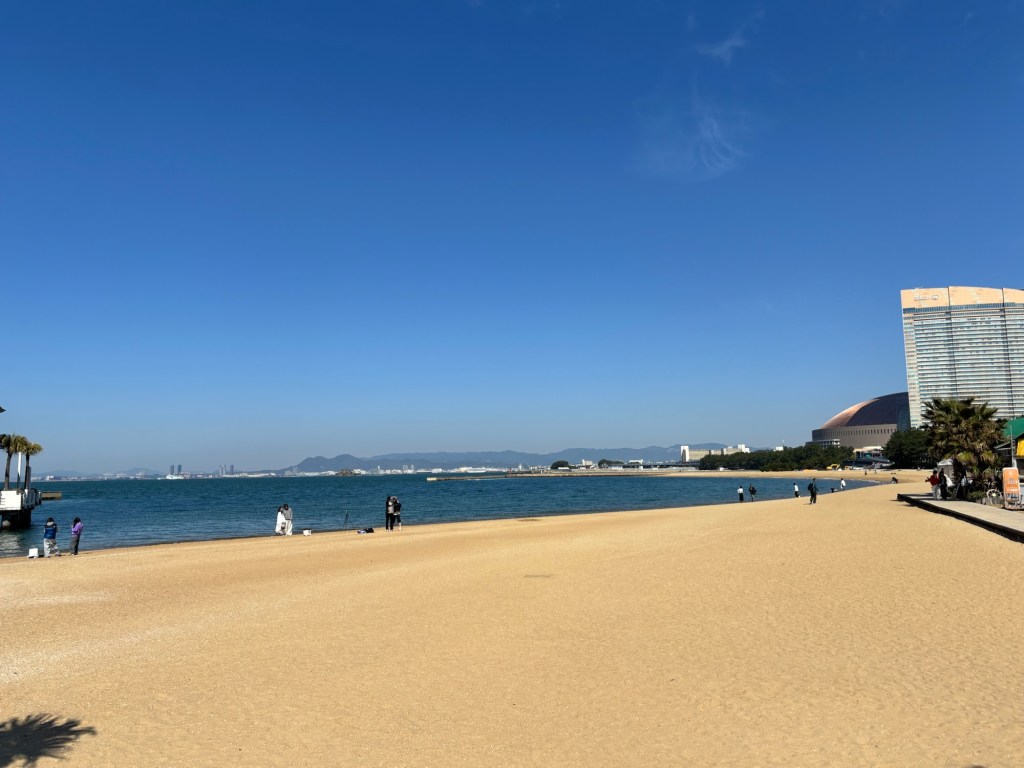
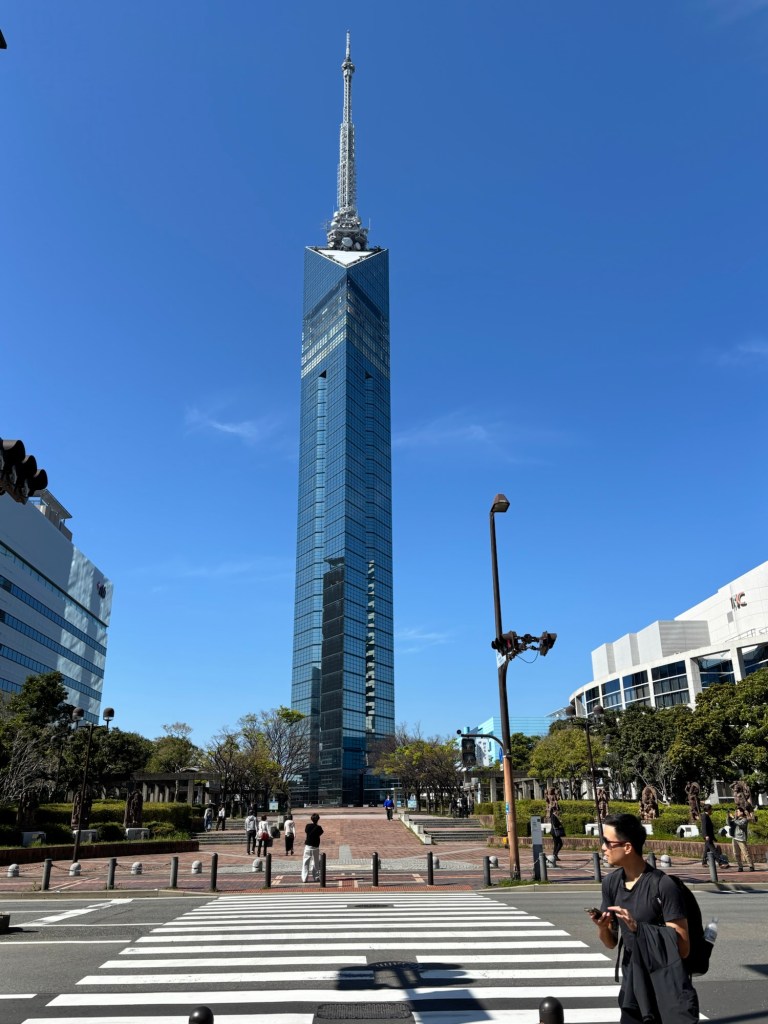
Also built for the expo was Fukuoka Tower which remains the tallest seaside tower in Japan at 234m.
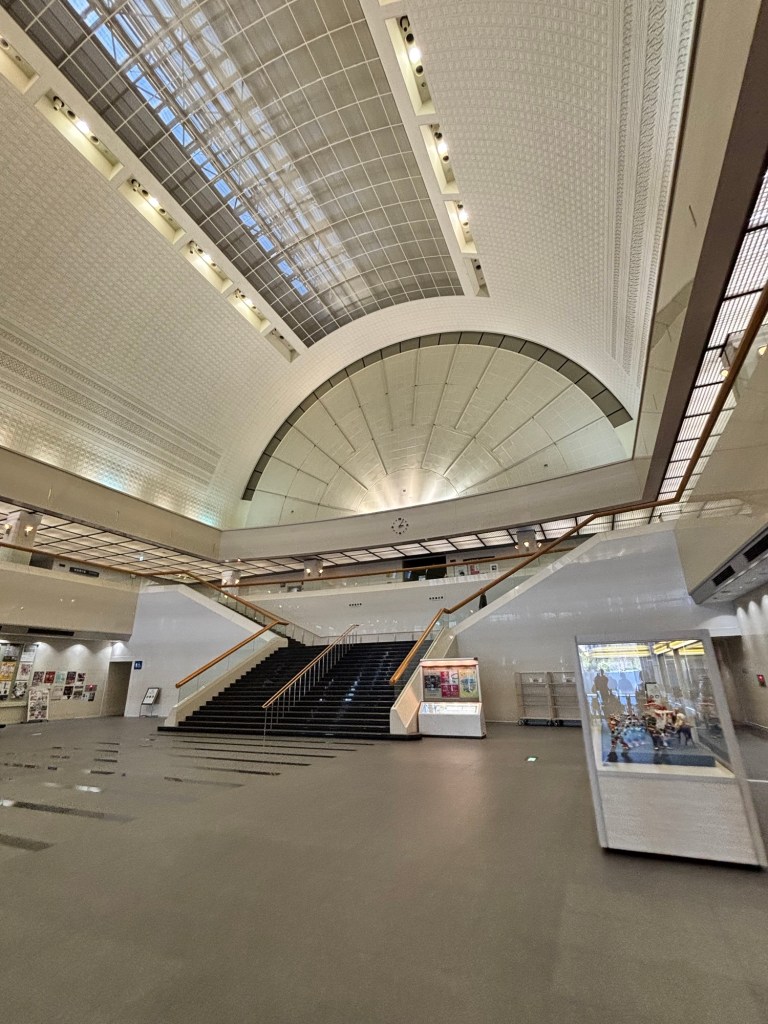
Nearby we had a look around Fukuoka City Museum which was the main theme building for the expo before being renovated and reopened as the city’s primary historical museum in 1990.
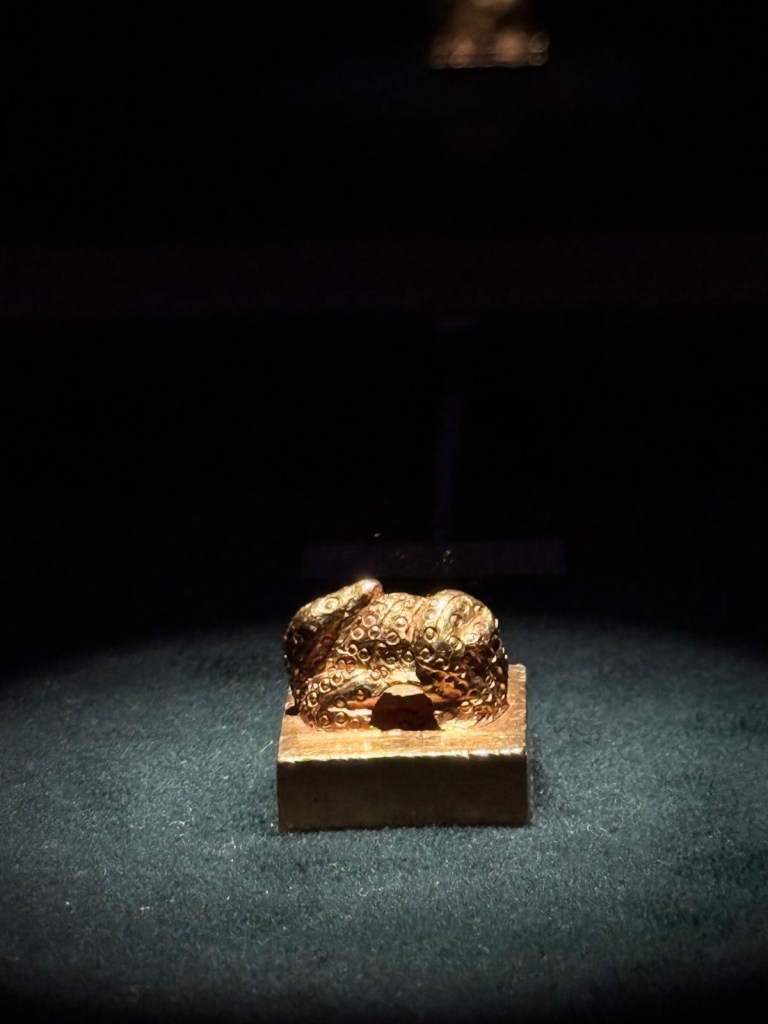
The museum showcased the entire history of civilisation in Fukuoka area from the Stone Age to the present day. There were two main highlights for us, the first one being The Gold Seal (known as Kin-in). The seal was given by Emperor Guangwu of the Chinese Eastern Han Dynasty in 57 AD to a diplomatic envoy from the state of “Na” (today’s Fukuoka). It was discovered by a local farmer who accidentally found the seal in 1784 under a large stone while repairing an irrigation ditch on Shikanoshima Island.
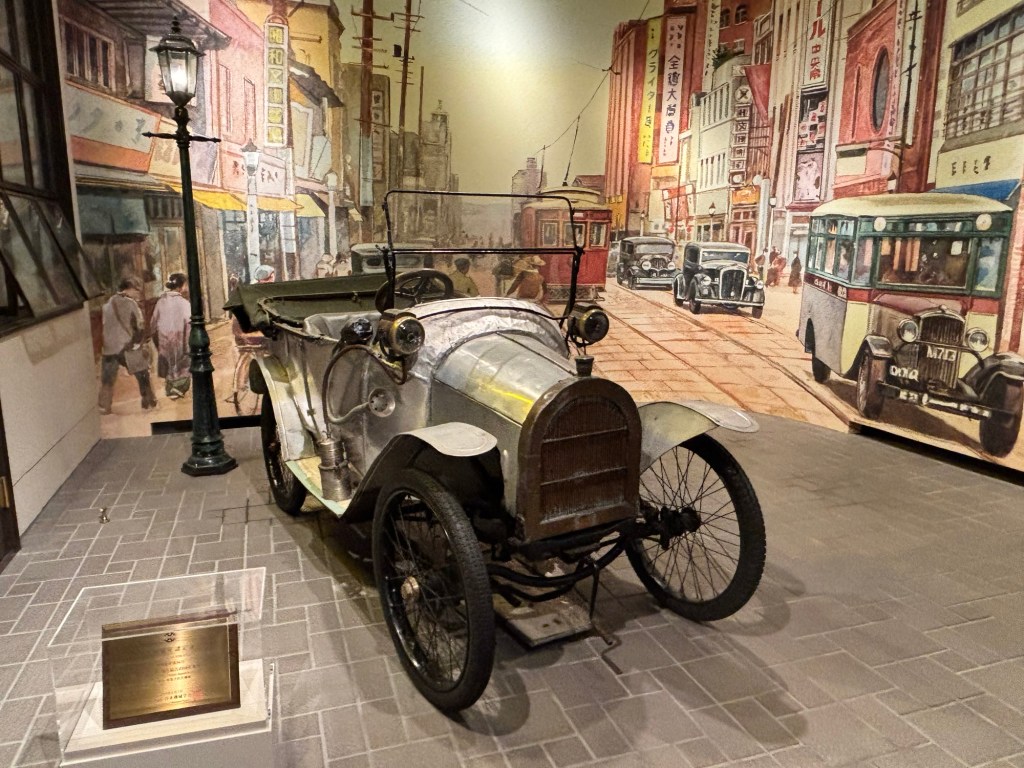
Our other favourite was Japan’s oldest working car, the Arrow Gou. Built in 1916 by Koichi Yano who was only 22 at the time and machined every part by hand. Despite being over a century old it still runs today!
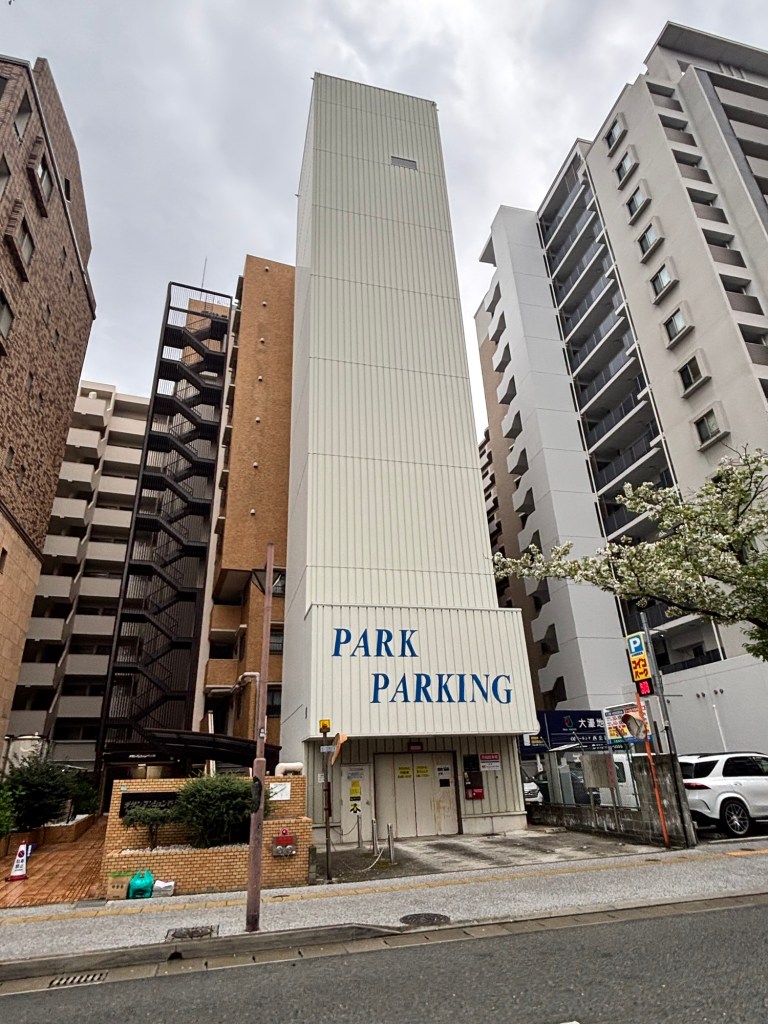
Walking around we have noticed the iconic parking towers which are vertical structures designed to maximise space in highly dense cities.
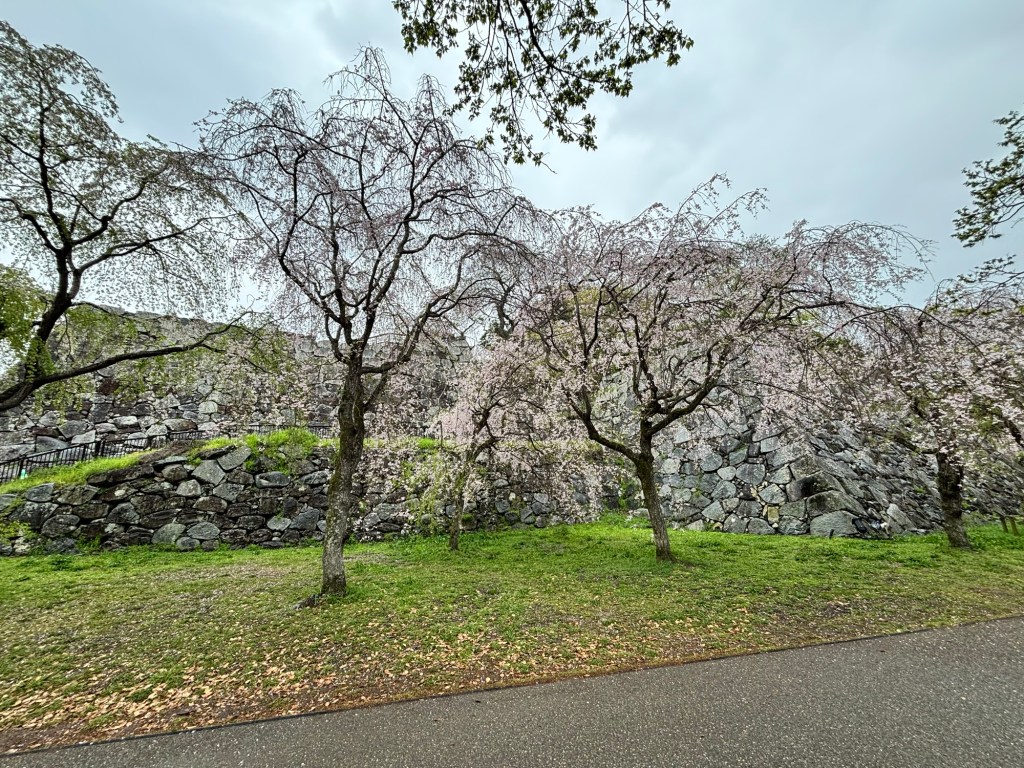
Yesterday we headed to Fukuoka Castle Ruins which date back to 1601. It is famous for its impressive stone walls and seasonal beauty that we definitely didn’t miss out on.
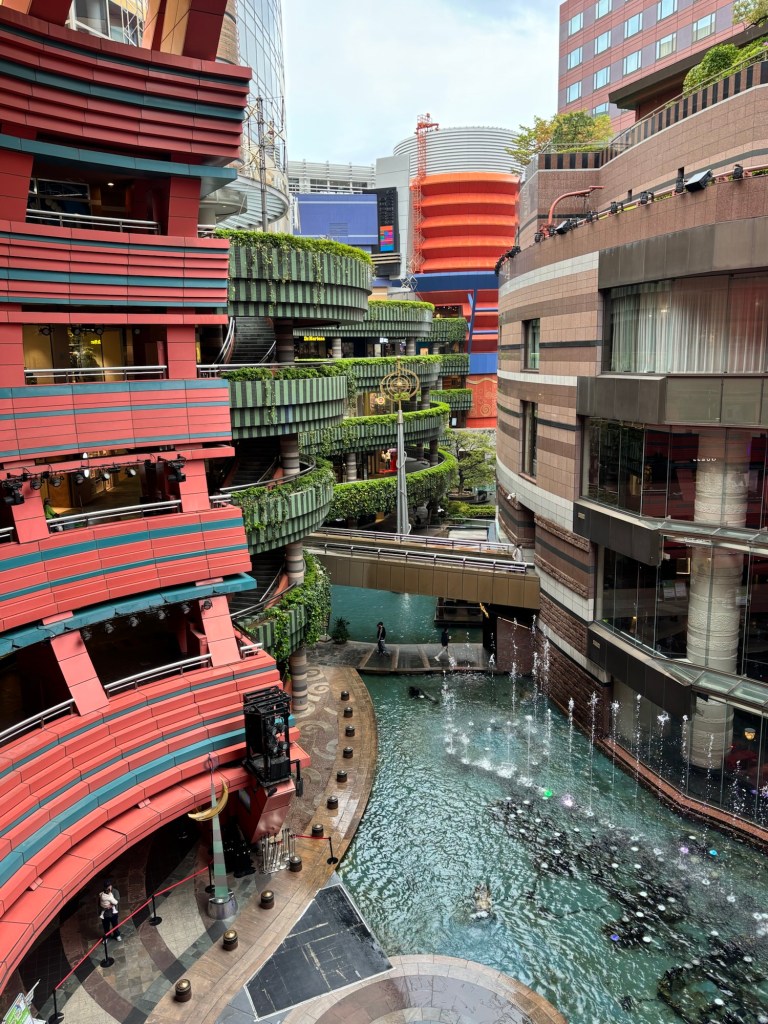
Afterwards we hopped on the metro to Canal City Hakata, a massive shopping and entertainment complex. It opened in 1996 and is famous for its bold, neo-futuristic design, especially the 180m articulated canal.
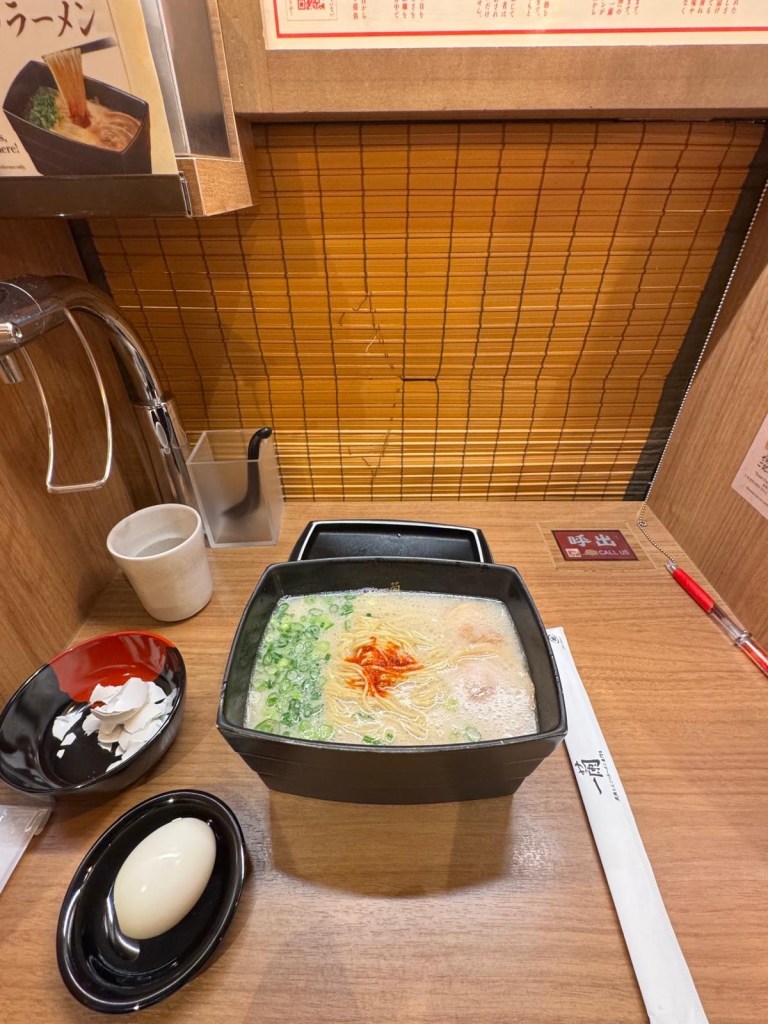
For lunch, we tried our first bowl of ramen at the big chain Ichiran. It’s designed to let you enjoy a meal without social distractions with individual booths, ticket machine and ordering forms.
In the afternoon we went to Sumiyoshi Shrine which is considered the oldest of over 2,000 Sumiyoshi Shrines in Japan. It is dedicated to the gods of sea and navigation making it a historic site for sailors to pray for safe passage.
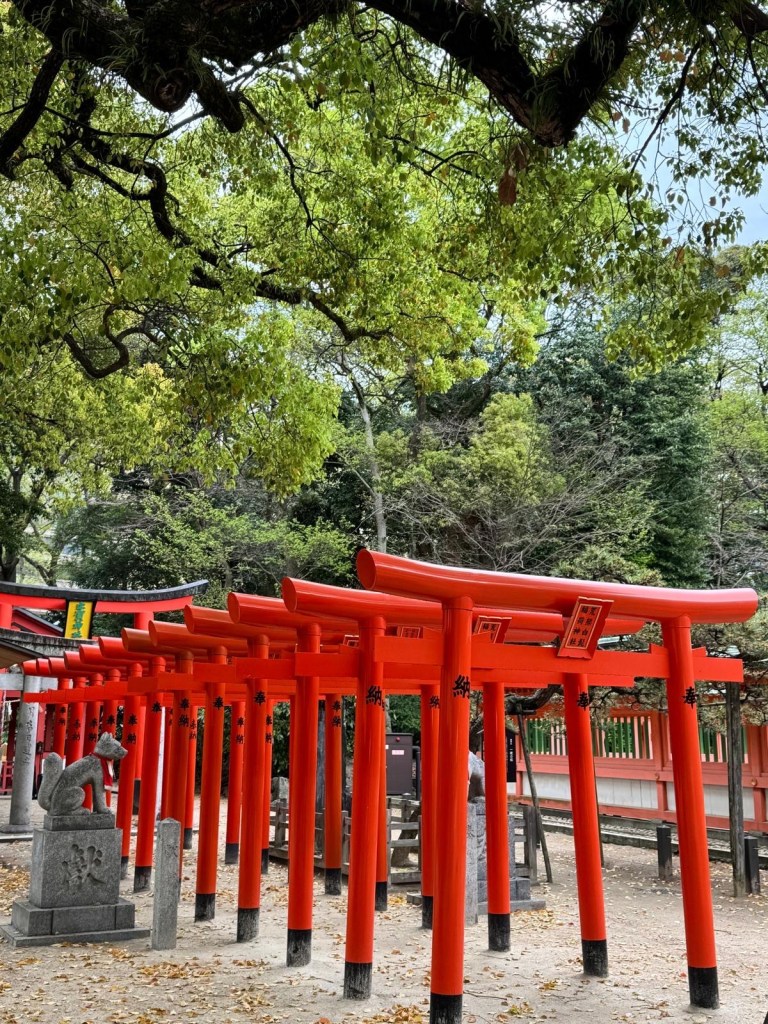
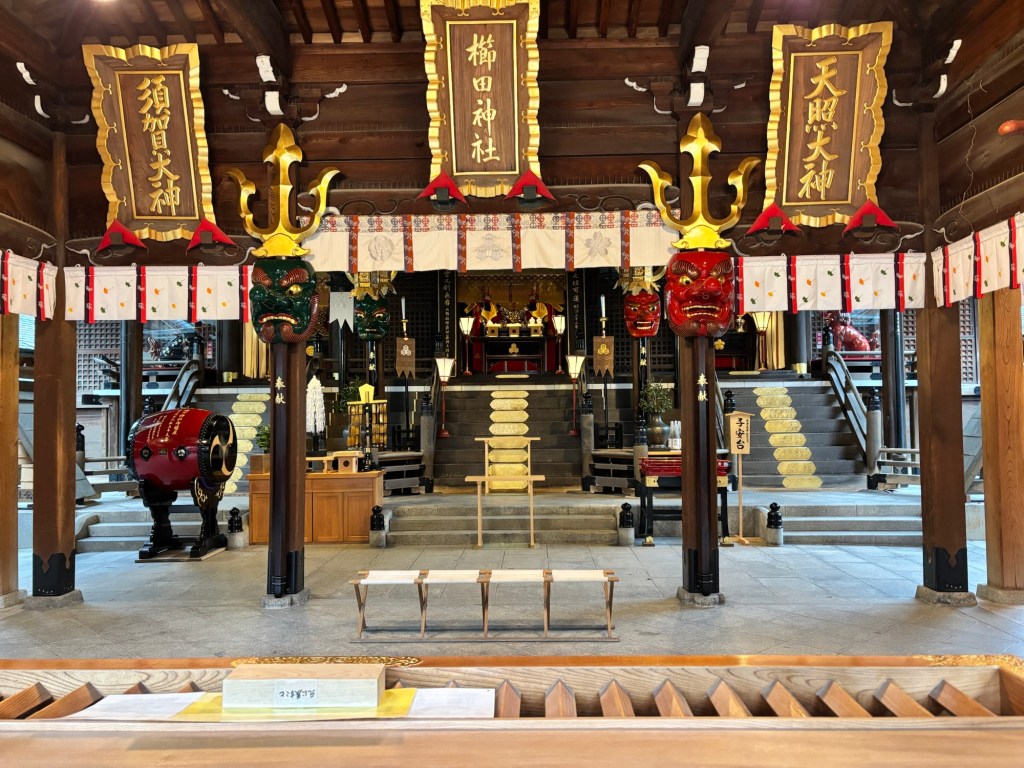
Just a short walk away was another shrine named Kushida Shrine. It is dedicated to the deities of business, prosperity, longevity and safe passage.
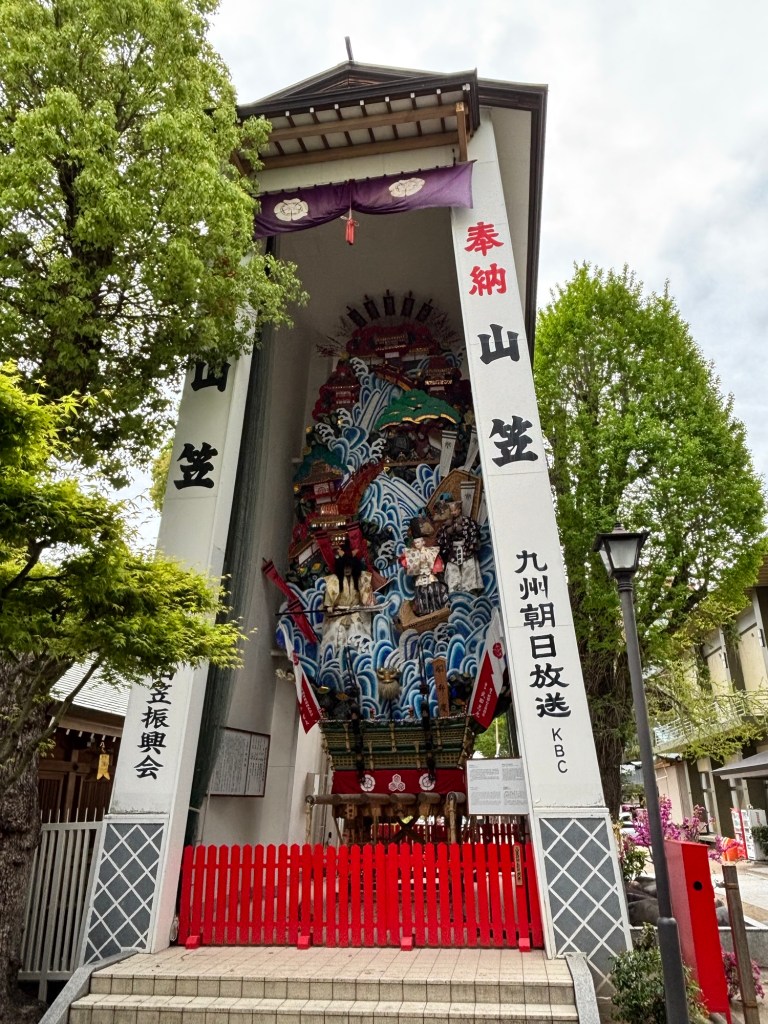
At the museum the previous day, we learnt about the Kazariyamakasa (decorative mountain float). It is used in Fukuoka’s annual summer festival which dates back 780 years.
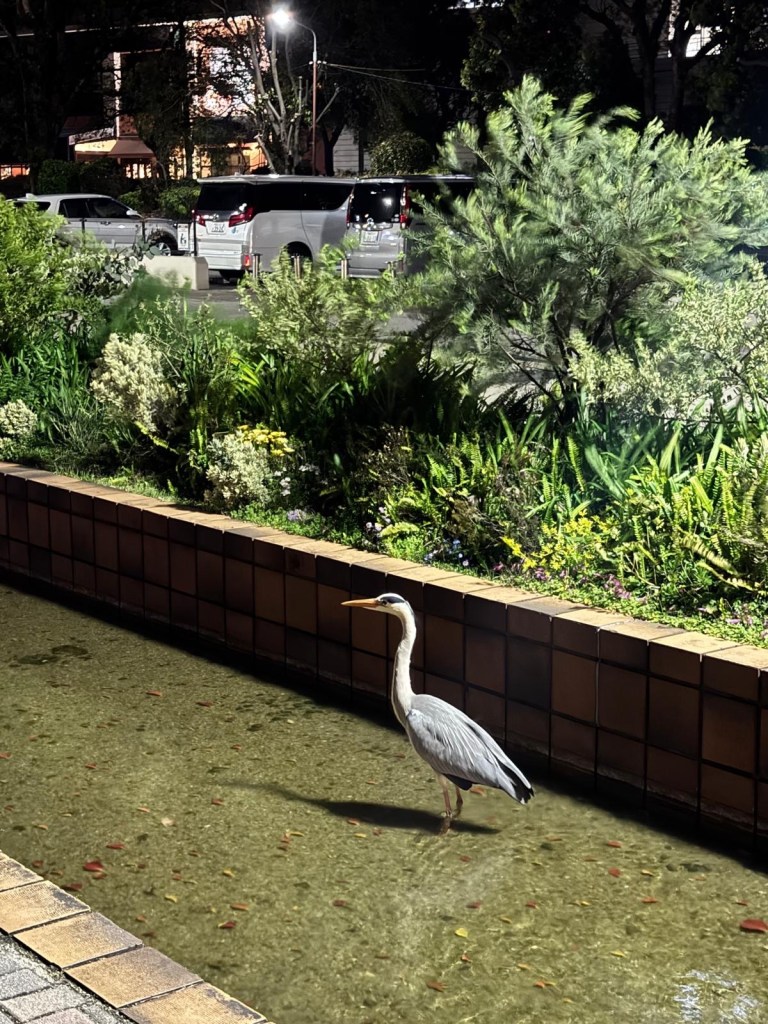
On our walk home we were surprised to see a huge Grey Heron chilling in the stream waiting for his own sushi.
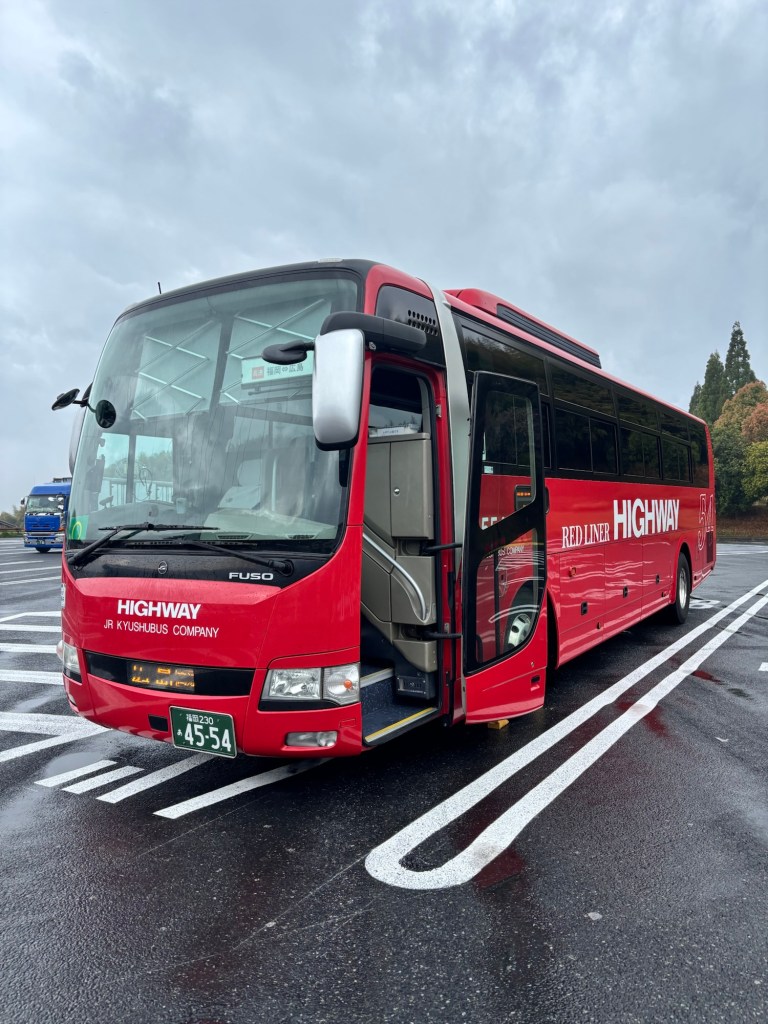
This morning, we got the metro to Hakata Bus Terminal to begin our journey to Hiroshima. Unsurprisingly for Japan, the bus left exactly on time and only took 4 hours.
We are staying in Hiroshima for 5 nights and we are intrigued to learn more about one of the worst events in all of human history.
 LittleSandyBeach
Leave a comment